resources
Discovering the Diverse Manchester Regions: A Comprehensive Guide
27 Jul 2025

Manchester is a city with so much to offer, and it’s not just the city center. The surrounding areas, often called the Manchester regions, each have their own vibe and things to see. Whether you’re into history, shopping, or just exploring new places, there’s a corner of Greater Manchester that’s perfect for you. Let’s take a look at what makes these different parts of Manchester so special.
Key Takeaways
- Greater Manchester is made up of several distinct areas, each with its own character.
- From the trendy Northern Quarter to the shopping haven of Trafford, there’s a lot to explore.
- Manchester’s history as the birthplace of the Industrial Revolution is visible throughout the region.
- MediaCity and The Quays are modern hubs for media and entertainment.
- The city serves as a gateway, making it easy to visit other parts of the North of England.
Exploring the Diverse Manchester Regions
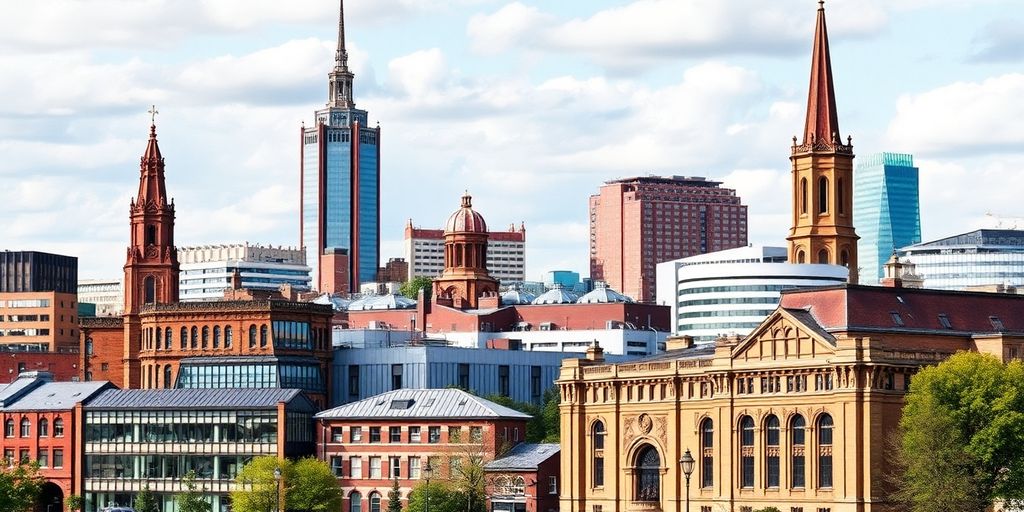
Manchester is a city that really sprawls out, and getting to know its different parts is key to understanding what makes the whole region tick. It’s not just about the city center, you know? There are these surrounding towns and boroughs, each with its own vibe and history. Think of it like a big family – everyone’s related, but they’ve all got their own personalities. We’re going to take a look at a few of these places to give you a better picture of the area.
Bolton’s Unique Character
Bolton has this really down-to-earth feel. It’s a place that’s proud of its industrial past, especially with textiles, and you can still see that heritage around. It’s got a strong community feel, and people there seem to really look out for each other. Plus, it’s not too far from the wilder parts of Lancashire, so if you like a bit of nature, Bolton is a good spot to start from. It’s got its own shopping centers and a decent arts scene, so it’s not just a place to sleep.
Salford’s Riverside Charm
Salford is right next door to Manchester, and it’s really changed a lot over the years. The area around MediaCityUK is super modern, with the BBC and ITV studios and all that buzz. But Salford also has these older, more traditional neighborhoods with a lot of history. The River Irwell runs through it, and the regeneration along the waterfront has brought a lot of new life to the area. It’s a mix of old and new, really, and it’s got a character all its own.
Stockport’s Proximity and Appeal
Stockport is just south of Manchester, and it’s really convenient if you need to get into the city for work or fun. It’s got a pretty impressive viaduct, which is a big landmark, and the town center has been getting a lot of attention lately with new shops and places to eat. It feels a bit more relaxed than the city center, but it’s still got plenty going on. It’s the kind of place that’s easy to overlook, but it’s got a lot to offer visitors and residents alike.
Key Districts and Their Offerings
Manchester is a city with many different areas, each offering something unique. Let’s take a look at a few of the standout districts that make up this dynamic region.
The Northern Quarter’s Vibrant Atmosphere
This part of the city is known for its creative energy and independent spirit. You’ll find a lot of cool places here, from record stores and vintage clothing shops to artisan coffee spots and unique bars. It’s a great place to wander around and discover hidden gems. The architecture itself is pretty interesting, with old industrial buildings giving it a distinct feel. It’s definitely a hub for artists and anyone looking for something a bit different.
Trafford’s Shopping and Entertainment Hub
When it comes to retail therapy and entertainment, Trafford really shines. It’s home to some of the biggest shopping destinations in the area, drawing crowds from all over. Beyond the shops, there are also major entertainment venues, making it a go-to spot for a day out.
Here’s a quick look at what makes Trafford a key destination:
- Retail Therapy: Access to a wide range of high-street brands and department stores.
- Entertainment Options: Cinemas, restaurants, and leisure facilities.
- Accessibility: Well-connected by public transport, making it easy to reach.
Tameside’s Gateway to Natural Beauty
For those who appreciate the outdoors, Tameside offers a different kind of appeal. It serves as an entry point to some lovely natural landscapes, perfect for a breath of fresh air. You can explore parks, walking trails, and scenic routes. It’s a nice contrast to the busier city center, providing opportunities for relaxation and outdoor activities.
Tameside provides a refreshing escape, connecting urban exploration with the tranquility of the natural world. It’s a place where you can easily switch from city life to enjoying the countryside.
Understanding Greater Manchester’s Geography
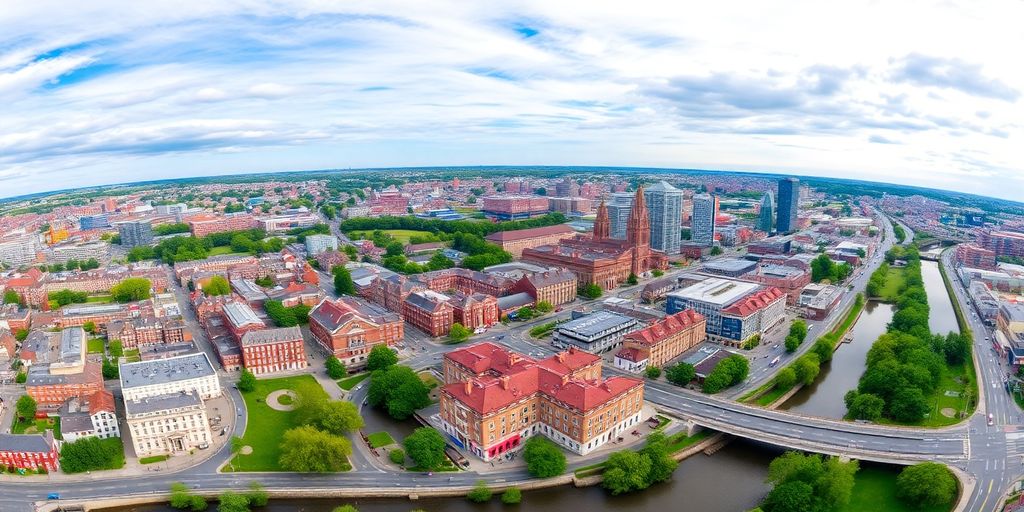
Greater Manchester is a big place, made up of ten different boroughs, each with its own feel. Think of it like a collection of towns and cities all linked together, with Manchester city center acting as the main hub. It’s not just one city, but a whole region that grew out of the industrial past.
Manchester as the Gateway to the North
Manchester’s location makes it a key entry point for many traveling north. It’s a major transport hub with an international airport and extensive rail links. This central position means it connects people to the rest of the UK, especially the scenic areas further north.
Navigating the Manchester Region
Getting around Greater Manchester is pretty straightforward. You’ve got the Metrolink tram system, which is great for hopping between different boroughs like Salford, Bury, and Altrincham. Buses are also a big part of the transport network, covering areas the trams don’t reach. For a good overview of how it all fits together, checking out a Greater Manchester map can be really helpful. It shows you the connections and distances between the various towns and districts.
Bury’s Local Attractions
Bury itself has a few things going for it. The Bury Market is famous, a really traditional market that’s been around for ages. You can find all sorts of things there, from fresh produce to clothes and crafts. The town also has some nice green spaces and a strong sense of local identity. It’s a good example of how each borough in Greater Manchester has its own distinct character and points of interest.
Cultural and Entertainment Hubs
Manchester is a city that truly comes alive when it comes to culture and entertainment. It’s not just about the big names; there’s a whole spectrum of experiences waiting to be discovered, from world-class performances to unique local gatherings. The city pulses with creative energy, offering something for everyone, whether you’re a seasoned arts enthusiast or just looking for a good time.
Discovering Manchester’s Entertainment Scene
When you think about what to do in Manchester, the options are pretty vast. You’ve got everything from historic buildings with modern twists to places dedicated to the beautiful game. For instance, the Royal Exchange Theatre, housed within the stunning 1874 Royal Exchange building, offers a unique in-the-round experience. It’s a place where history meets contemporary performance art. Beyond the theatre, the city is famous for its football clubs, Manchester United and Manchester City. Taking a stadium tour or visiting the National Football Museum can be a real highlight for sports fans. For families, places like the Science and Industry Museum and LEGOLAND Discovery Centre provide hours of fun. And let’s not forget the sheer variety of cinemas, clubs, and live music venues that keep the city buzzing late into the night. It’s a place where you can easily find entertainment events happening any day of the week.
MediaCity and The Quays
MediaCity UK, located in Salford Quays, has rapidly become a major hub for culture and media. It’s home to the BBC and ITV, but it’s much more than just a broadcasting center. The area boasts a modern waterfront with striking architecture, plenty of restaurants and bars, and a vibrant atmosphere. It’s a place where you can catch live shows, explore interactive exhibits, or simply enjoy a stroll along the water. The proximity to The Lowry, a fantastic arts venue, and the Imperial War Museum North adds to its appeal as a cultural destination. It’s a testament to the city’s ability to blend industry with arts and leisure.
Performing Arts and Venues
Manchester’s performing arts scene is incredibly rich and varied. You have major venues like the AO Arena and Co-op Live hosting huge concerts and events, drawing global artists. Then there are the more intimate settings, such as HOME, which showcases contemporary arts, and the historic Manchester Opera House and Palace Theatre, presenting a range of touring productions and classic shows. The Bridgewater Hall is renowned for its acoustics, making it a premier destination for classical music. For cutting-edge theatre, the Royal Exchange Theatre and Contact Theatre are must-visits. Each venue contributes to the city’s reputation as a powerhouse of performing arts.
Here’s a look at some key venues:
- AO Arena: Hosts major concerts and sporting events.
- Co-op Live: A newer, large-scale venue for music and entertainment.
- HOME: Focuses on contemporary visual art, theatre, and film.
- Royal Exchange Theatre: Known for its unique theatre-in-the-round.
- Bridgewater Hall: Premier venue for classical music performances.
The city’s commitment to the arts is evident in the sheer number and diversity of its venues, ensuring that there’s always something new and exciting to experience.
Shopping Destinations Across Manchester
Manchester offers a fantastic array of shopping experiences, from massive retail complexes to charming independent boutiques. Whether you’re looking for high-end fashion, unique gifts, or everyday essentials, the city has something for everyone.
Key Shopping Areas in Manchester
Manchester’s city center is a shopper’s paradise, with distinct areas catering to different tastes. The main shopping district is centered around Market Street and Exchange Square, featuring a mix of high street brands and department stores. For a more curated experience, King Street offers a selection of designer boutiques and luxury retailers.
Manchester Arndale and The Trafford Centre
Two of the most prominent shopping destinations are the Manchester Arndale and The Trafford Centre. The Arndale, located right in the city center, is one of the UK’s largest urban shopping centers, housing hundreds of stores.
The Trafford Centre, situated just outside the city, is an even larger destination, known for its vast selection of shops, entertainment options, and unique architecture. It’s a place where you can easily spend a whole day.
Independent Boutiques and Designer Shops
Beyond the major shopping centers, Manchester boasts a vibrant scene for independent and designer shopping. The Northern Quarter is particularly known for its quirky boutiques, vintage stores, and artisan shops. You can find unique clothing, handmade jewelry, and one-of-a-kind souvenirs here. For those seeking luxury brands, King Street and its surrounding areas are the place to be.
Here’s a quick look at some popular shopping spots:
- Manchester Arndale: High street brands, department stores, food court.
- The Trafford Centre: Extensive retail, dining, and entertainment.
- King Street: Designer fashion, luxury goods, upscale dining.
- The Northern Quarter: Independent boutiques, vintage shops, record stores.
- Afflecks: A unique emporium of independent retailers, often featuring alternative fashion and crafts. Afflecks
Exploring these different shopping areas will give you a real feel for Manchester’s retail diversity. From the familiar high street names to the hidden gems in the independent quarters, there’s always something new to discover.
Historical Significance and Modern Development
Manchester: Birthplace of the Industrial Revolution
Stepping into Manchester feels like walking through pages of history. This city is widely recognized as the cradle of the Industrial Revolution, a period that reshaped not just Britain but the entire world. Imagine the sheer scale of innovation and change that began right here, transforming a modest market town into a global powerhouse of manufacturing and trade. The legacy of this era is still visible in the architecture and the very spirit of the place. It’s fascinating to think about how the cotton mills and factories, powered by new technologies, set the stage for modern industrial society. The city’s early role in railway engineering, moving raw materials from Liverpool’s docks to its burgeoning factories, was also a massive leap forward in transportation.
Redevelopment and Modern Magic
Manchester’s story didn’t end with the industrial age. For years, the city’s image was tied to its industrial past, sometimes seen as a bit grim. But that’s changed dramatically. Since the late 1980s, a huge redevelopment effort has given Manchester a stunning modern skyline. Buildings like the Beetham Tower, once the tallest in Britain outside of London, are symbols of this new era. Much of this revitalization was spurred on after a significant event in 1996 that impacted the city center. Today, you see a blend of old and new, with historic Victorian warehouses finding new life as apartments and businesses, sitting alongside sleek, contemporary structures. It’s a city that truly embraces its past while looking firmly towards the future.
Textile History and Soccer Lore
Beyond the factories and modern buildings, Manchester is steeped in stories. The textile industry, particularly cotton, was the engine that drove its early growth. You can still find echoes of this past in the old mills and warehouses that dot the landscape. But Manchester isn’t just about industry; it’s also a city with a deep love for football. Home to world-famous clubs like Manchester United and Manchester City, the passion for the sport is palpable. Visiting the museums dedicated to these clubs or taking a stadium tour offers a glimpse into this significant part of the city’s identity. It’s this mix of industrial heritage, the drama of redevelopment, and the enduring passion for soccer that truly defines Manchester’s unique character. The city’s journey from the heart of industry to a vibrant modern metropolis is a compelling narrative.
Manchester’s transformation is a testament to its resilience and forward-thinking approach. It’s a place where the echoes of the Industrial Revolution meet the energy of the 21st century, creating a dynamic and engaging urban experience.
Here are some key aspects of Manchester’s historical and modern development:
- Industrial Revolution Hub: Birthplace of major technological and social changes.
- Textile Manufacturing: A global center for cotton production and trade.
- Railway Innovation: Pioneering role in the development of passenger rail.
- Post-Industrial Redevelopment: Significant urban regeneration projects since the late 20th century.
- Cultural and Sporting Identity: Strong associations with football and a thriving arts scene.
| Aspect | Historical Significance |
|---|---|
| Economic Driver | Cotton textiles, manufacturing |
| Transportation | Early railway development |
| Urban Landscape | Victorian industrial architecture, canals |
| Modern Development | Post-1996 regeneration, new architectural landmarks |
| Cultural Touchstones | Football clubs, music scene, political movements |
Manchester, the capital of the North West England boasts a rich industrial heritage, a vibrant cultural scene, and a renowned music legacy. This city is a dynamic hub with significant appeal.
Wrapping Up Your Manchester Adventure
So, we’ve taken a look around Manchester, from its busy city center to the quieter spots just outside. It’s clear this region has a lot to offer, whether you’re into history, culture, or just want to see what’s new. Each area has its own vibe, and there’s really something for everyone. Hopefully, this guide has given you a good starting point for planning your own trip and discovering the many sides of Manchester. It’s a place that keeps surprising you, and there’s always more to explore.
Frequently Asked Questions
What are the main areas in Greater Manchester?
Manchester is a big area with many different towns and cities around it, like Bolton, Salford, and Stockport. Each place has its own special feel and things to see and do.
What’s special about areas like the Northern Quarter, Trafford, and Tameside?
The Northern Quarter is known for being really lively with cool shops and places to eat. Trafford is famous for its big shopping centers and fun entertainment spots. Tameside is a great place to visit if you love nature and the outdoors.
Why is Manchester called the ‘Gateway to the North’?
Manchester is often called the ‘Gateway to the North’ because it’s a major city that connects you to other cool places up north. It’s also a starting point for exploring beautiful natural spots like the Peak District.
What kind of entertainment can I find in Manchester?
Manchester has a lot to offer for fun! You can find lots of entertainment, including theaters, music venues, and places to see live shows. MediaCityUK and The Quays are popular spots for modern entertainment and media.
Where are the best places to shop in Manchester?
You can shop all over Manchester! The Manchester Arndale and The Trafford Centre are huge malls with tons of stores. There are also many smaller, unique shops in places like the Northern Quarter that sell special items.
What is Manchester famous for historically and today?
Manchester is super important because it was the first place where the Industrial Revolution really took off, changing how things were made. Today, it’s a mix of old buildings and new, modern developments, and it’s famous for its history with textiles and its love for soccer.


