

resources
Exploring the Diverse Manchester Regions: From Industrial Heritage to Modern Hubs
27 Jul 2025

Manchester is a city in the north of England that’s seen a lot of changes. It started out as a huge center for making cotton, and you can still see buildings from that time. Now, it’s also known for its music, arts, and media. There are lots of different parts of Manchester, each with its own feel, from old industrial areas to new business spots. It’s a place that really shows how history and new ideas can come together.
Key Takeaways
- Manchester’s history is tied to the Industrial Revolution, especially cotton production, with many old mills still around.
- The city is now a hub for media, film, and creative industries, showcasing new artists and digital work.
- Manchester has a diverse cultural scene with many museums, galleries, and unique neighborhoods like the Northern Quarter.
- The city has a famous music history, from the Madchester era to today’s live music venues.
- Exploring different Manchester regions like Castlefield, the Northern Quarter, Spinningfields, and Salford Quays reveals the city’s varied character.
Manchester’s Industrial Revolution Roots
Manchester’s identity is deeply forged in the fires of the Industrial Revolution, a period that transformed it from a modest market town into the world’s foremost industrial city. This era, particularly in the late 18th and early 19th centuries, saw Manchester become the global hub for cotton textile production, earning it the moniker "Cottonopolis." The city’s strategic location, with access to Lancashire’s coalfields and the port of Liverpool, coupled with a climate favorable for cotton spinning, made it the ideal setting for the burgeoning factory system. The introduction of steam power and new machinery revolutionized manufacturing, laying the foundation for Manchester’s immense growth and influence.
The Epicenter of Global Cotton Production
During the Industrial Revolution, Manchester was the undisputed center of the world’s cotton trade. Its mills churned out vast quantities of textiles, driven by technological advancements and a relentless demand. This period of intense industrial activity reshaped the urban landscape, with factories and warehouses becoming dominant features. The city’s infrastructure also evolved to support this growth, notably with the development of canals and railways.
Museums Showcasing Industrial Prowess
To truly grasp Manchester’s industrial past, visiting its museums is a must. Institutions like the Museum of Science and Industry offer a tangible connection to this transformative era. Here, you can witness the very machines that powered the revolution, understand the innovations in spinning and weaving, and learn about the lives of the workers who fueled this industrial engine. These museums don’t just display artifacts; they tell the story of human ingenuity and the societal shifts that accompanied industrialization.
Preserved Buildings and Transformative Past
Much of Manchester’s industrial heritage is still visible today in its architecture. The city boasts numerous preserved red-brick warehouses and Victorian-era buildings that stand as silent witnesses to its past. Exploring areas like Castlefield reveals remnants of Roman forts alongside the canals and mills that defined the industrial age. These structures are more than just old buildings; they are a physical link to the city’s journey, showcasing how Manchester evolved and adapted, ultimately transforming itself from its industrial roots into the dynamic city it is today.
Modern Manchester: A Hub of Creativity and Innovation
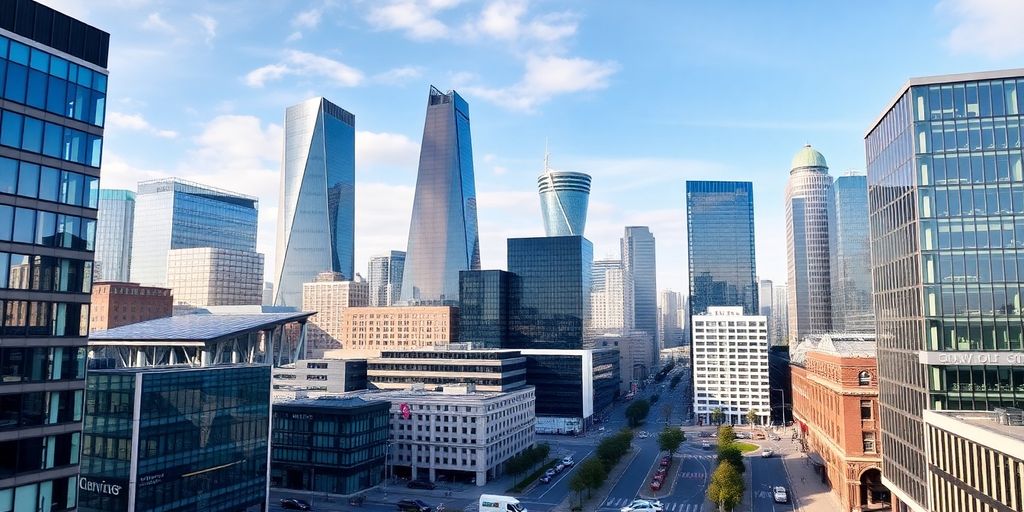
Manchester has really transformed itself from its industrial past into a place buzzing with new ideas and creative energy. It’s not just about old factories anymore; the city is now a major player in media and film production, attracting crews and projects from all over. You can feel this creative vibe everywhere, especially in the smaller venues that give a platform to emerging artists, musicians, and actors trying to make their mark.
Epicenter of Modern Media and Film
This city has become a go-to spot for media companies and film shoots. It’s got the infrastructure and the talent pool to support big productions, but it also nurtures the grassroots scene. Think of it as a place where established players and new talent coexist, pushing the boundaries of what’s possible in visual and audio storytelling.
Showcasing Up-and-Coming Artists
Beyond the big studios, Manchester is packed with smaller galleries, performance spaces, and even pop-up events that highlight local talent. These spots are crucial for giving new artists a chance to be seen and heard, contributing to the city’s dynamic cultural landscape. It’s where you can discover the next big thing before they hit the mainstream.
A Beacon for Digital and Creative Industries
When you look at the digital and creative sectors, Manchester really shines. It’s a hub for tech startups, digital agencies, and design firms. The city actively supports these industries, creating an environment where innovation can thrive. This focus on technology and creativity makes Manchester a forward-thinking place, attracting professionals and businesses alike. Bruntwood SciTech, for example, is investing heavily in transforming spaces like 117-119 Portland Street into hubs for these growing sectors.
Exploring Diverse Cultural Landscapes
Manchester’s cultural tapestry is rich and varied, offering something for everyone. The city is a vibrant mix of old and new, with spaces that celebrate both its artistic heritage and its contemporary creative pulse. You can find quiet spots for reflection alongside bustling centers of artistic expression.
Artistic Havens and Serene Settings
Beyond the well-trodden paths, Manchester holds pockets of tranquility and artistic inspiration. These areas often feature smaller galleries, independent studios, and public art installations that provide a more intimate cultural experience. They are perfect for a leisurely stroll, allowing you to discover hidden creative talents and enjoy moments of calm amidst the city’s energy. It’s in these quieter corners that you can often find unique pieces and connect with local artists on a more personal level.
The Northern Quarter’s Creative Spirit
The Northern Quarter is Manchester’s undisputed hub for independent culture. Its streets are lined with vintage clothing stores, record shops, artisan cafes, and street art that transforms ordinary walls into vibrant canvases. This area buzzes with a youthful, creative energy, making it a prime spot for discovering up-and-coming designers, musicians, and artists. It’s a place where creativity is not just displayed but lived.
Museums and Galleries for Every Taste
Manchester boasts an impressive array of museums and galleries that cater to a wide range of interests. From institutions showcasing the city’s industrial past to those dedicated to contemporary art, there’s always something new to explore. Many of these venues host temporary exhibitions, ensuring that repeat visits are always rewarding. The city’s commitment to the arts is evident in the quality and diversity of its cultural institutions. Exploring these Manchester museum and gallery experiences offers a fantastic way to spend a day, learning about history, art, and culture.
The city’s cultural landscape is constantly evolving, with new venues and exhibitions appearing regularly. This dynamic environment makes Manchester a consistently exciting destination for anyone interested in the arts and creative industries.
The Legendary Manchester Music Scene
Mancunian music is more than just a genre; it’s a cultural force that has echoed across the globe. This city has a serious reputation for churning out influential artists and movements that have shaped popular music for decades. From the gritty post-punk sounds of the late 70s and early 80s to the dance music explosion and beyond, Manchester’s musical heartbeat is undeniable.
From Hacienda Days to Modern Influence
The legendary Hacienda nightclub, a former shipping warehouse, became the epicenter of the ‘Madchester’ scene in the late 1980s and early 1990s. It was a melting pot of indie rock, acid house, and rave culture, creating a unique sound and atmosphere that defined an era. While the Hacienda itself is gone, its spirit lives on in the city’s many venues and its continued impact on electronic music. Today, Manchester remains a vital hub for dance music, with events and clubs drawing international crowds.
Iconic Bands and Musical Movements
Manchester’s musical lineage is incredibly deep. Think of the raw energy of Joy Division and The Smiths, whose introspective lyrics and distinctive sounds resonated with a generation. Then came The Stone Roses, blending psychedelic rock with baggy beats, and Oasis, who brought stadium-filling anthems to the masses. These bands, among many others, didn’t just make music; they created cultural touchstones. The city’s influence also extended to the 1960s, being a key part of the British Invasion with acts like The Hollies and Herman’s Hermits.
Experiencing Live Performances
To truly feel Manchester’s musical soul, you have to experience a live show. Whether it’s catching an emerging artist at a small club in the Northern Quarter or seeing a major act at the AO Arena, the city offers a diverse range of live music experiences. Venues like Band on the Wall have a storied history of hosting jazz and blues legends, while smaller pubs often feature local talent. The energy is palpable, a testament to the city’s enduring love affair with music.
A Deep Dive into Manchester’s Regions
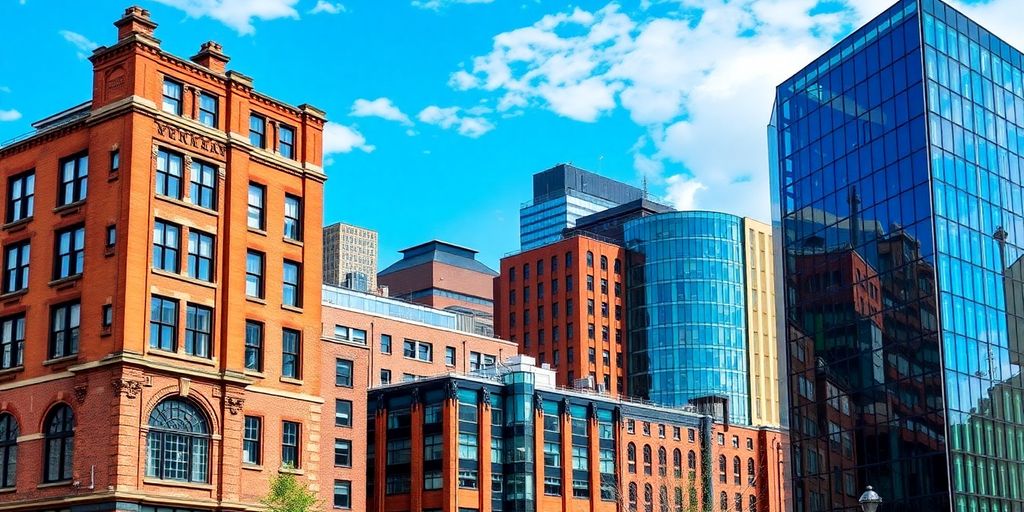
Manchester is a city with many distinct areas, each offering something unique. Let’s take a closer look at some of the most notable regions that make up this dynamic city.
Castlefield: Roman and Industrial Origins
Castlefield is where you can really feel Manchester’s history. It’s one of the oldest parts of the city, with remnants of Roman forts still visible. Later, it became a major hub during the Industrial Revolution, thanks to its canals and warehouses. You can still see many of these old buildings today, some of which have been turned into cool apartments, pubs, and shops. It’s a great spot to walk around and imagine what life was like centuries ago.
Northern Quarter: Independent Culture Hub
If you’re into independent shops, quirky cafes, and vibrant street art, the Northern Quarter is your place. This area used to be part of the city’s industrial textile district, but now it’s known for its creative energy. It’s packed with record stores, vintage clothing shops, and unique bars. The streets themselves are often decorated with amazing murals, making it a really photogenic part of town. It’s the kind of place where you can spend hours just exploring.
Spinningfields: Modern Business District
Spinningfields is Manchester’s answer to modern business and finance. You’ll find sleek skyscrapers, contemporary architecture, and a bustling atmosphere during the week. It’s home to many major companies and offers a glimpse into the city’s economic growth. There are also plenty of high-end restaurants and bars here, making it a popular spot for after-work drinks and dining. It really shows how far Manchester has come from its industrial past.
Salford Quays: Media and Cultural Center
Just a short distance from the city center, Salford Quays is a regenerated dockland area that has transformed into a major media and cultural hub. It’s home to the BBC and ITV’s northern headquarters, as well as The Lowry arts center and the Imperial War Museum North. The waterfront area is really pleasant, with lots of modern buildings, waterside restaurants, and the impressive MediaCityUK complex. It’s a testament to urban renewal and a sign of Manchester’s forward-looking attitude.
Manchester’s Sporting Legacy
Manchester is a city that lives and breathes sports, with a passion that runs deep, especially for football. It’s known worldwide as a major football hub, thanks to two of the planet’s most famous clubs calling it home. But the city’s athletic spirit isn’t limited to the pitch; it also boasts a strong history in rugby league, cricket, and cycling. Manchester’s sports facilities are top-notch, featuring two massive football stadiums, a legendary cricket ground, and a national cycling center.
Home to Iconic Football Clubs
Football is more than just a game here; it’s a way of life. Manchester United and Manchester City are the titans of the city’s football scene. Their matches are huge events, bringing people together across generations and fueling one of the most intense rivalries in sports history. The success of these two clubs is often a hot topic in sports discussions, both in the UK and internationally.
- Manchester United: Playing at the iconic Old Trafford, often called "The Theatre of Dreams," this club is a global powerhouse with a massive following. They’ve secured a record 20 English League titles, 12 FA Cups, and three UEFA Champions League trophies.
- Manchester City: Based at the modern Etihad Stadium, this club has seen remarkable success in recent years, winning multiple Premier League titles and the UEFA Champions League in 2023. Their dynamic style of play under Pep Guardiola has cemented their status.
Stadium Tours and Football History
For fans wanting to connect with the city’s football heritage, stadium tours offer a fascinating look behind the scenes. You can explore the hallowed grounds where legends have played and relive historic moments. These tours provide a tangible link to the rich history and the many triumphs associated with Manchester’s football clubs. Visiting [Emirates Old Trafford](https://www. பெறும்.com/a858) also offers a chance to experience the city’s cricket legacy.
The city’s commitment to sports is evident in its world-class venues and the sheer enthusiasm of its fans, making it a significant player in the global sporting landscape.
Contributions to Global Sport
Manchester’s influence extends far beyond its city limits. The city has hosted major international events, including the 2002 Commonwealth Games, which significantly boosted its sporting infrastructure. Furthermore, the National Cycling Centre serves as the headquarters for British Cycling and the training base for the Great Britain Cycling Team, showcasing Manchester’s role in developing elite athletes and contributing to the advancement of sports worldwide.
Manchester: A City of Enduring Transformation
So, as we’ve seen, Manchester really is a city that wears its history with pride while constantly looking forward. From those massive mills that powered the Industrial Revolution to the buzzing creative hubs and lively music venues of today, it’s clear this place has always been about change and innovation. Whether you’re drawn to its industrial past, its modern cultural pulse, or its famous sporting spirit, Manchester offers a really unique experience. It’s a city that keeps evolving, proving time and again that it’s a major player, not just in the North of England, but on a much bigger stage.
Frequently Asked Questions
What is Manchester known for from its past?
Manchester was a major center for making cotton products during the Industrial Revolution. You can see old factories and learn about this history at places like the Museum of Science and Industry.
Is Manchester a modern city for media and art?
Yes, Manchester is a hub for new media and film. Many artists also show their work in smaller places around the city, making it great for creative industries.
What are some different areas to visit in Manchester?
You can explore different parts of Manchester like Castlefield, which has old Roman and industrial sites, or the Northern Quarter, known for its cool shops and cafes. Salford Quays is a modern area with media and cultural spots.
What’s special about Manchester’s music scene?
Manchester has a famous music history, with bands like Oasis and The Smiths coming from here. You can still experience live music in many venues across the city.
Is Manchester a big city for sports?
Manchester is famous for football, being home to Manchester United and Manchester City. You can often take tours of their stadiums to learn about their history.
Where can I see art and culture in Manchester?
Manchester has many museums and galleries, like the Whitworth Art Gallery which is in a nice park. The Northern Quarter also has lots of street art and unique shops.


