resources
Exploring the United States Smart Cities List: Innovation and Future Trends
27 Jul 2025

Thinking about what makes a city ‘smart’ these days? It’s not just about fancy gadgets or high-tech buildings. It’s really about how cities are using technology and smart ideas to make life better for everyone living there. We looked into the United States smart cities list to see what’s happening and what we can expect in the future. It turns out a lot of cities are doing some pretty interesting things to tackle everyday problems.
Key Takeaways
- Smart cities use technology to improve things like traffic, energy use, and public services.
- Cities are chosen for smart city lists based on their innovative projects and how they help residents.
- Key areas of focus include better transportation, managing energy and resources, public safety, and digital services for people.
- Many cities are looking at how to make their projects inclusive and accessible to all residents.
- The goal of smart city initiatives is to improve the quality of life, reduce environmental impact, and boost the local economy.
Understanding the United States Smart Cities List
When we talk about "smart cities," we’re really talking about towns and urban areas that are using new technologies and connected devices to make things work better for the people who live and work there. It’s not just about having the latest gadgets; it’s about using technology to improve everyday life, from how we get around to how we use energy and stay safe. Think of it as making cities more efficient, sustainable, and generally better places to be.
Defining Smart Cities and Their Objectives
A smart city is essentially a community that uses information and communication technology (ICT) to improve the quality of life for its citizens. The main goals usually revolve around making city services more efficient, reducing waste, improving public safety, and creating a more sustainable environment. It’s about using data and smart solutions to tackle common urban challenges.
Criteria for Inclusion in a Smart Cities List
Putting together a list of smart cities isn’t as simple as just picking the ones with the most tech. We looked at a few key things. First, how are they actually using technology to solve real problems? Are they improving traffic flow, managing water resources better, or making energy use more efficient? We also considered the breadth of their initiatives – are they focusing on just one area, or are they making smart changes across multiple city services? The commitment to sustainability and improving the overall quality of life for residents is a big factor. Finally, we wanted to see a good mix of cities across different states, showcasing the wide range of innovation happening nationwide. It’s a tough process because so many cities are doing great work.
The Evolving Landscape of Urban Innovation
The idea of a smart city is always changing. What seemed futuristic a few years ago is becoming standard practice now. Cities are constantly experimenting with new ways to use technology, from smart streetlights that dim when no one is around to sensors that help manage water usage and detect leaks early. The cost of these technologies is also coming down, making it more practical for cities to implement them. This ongoing evolution means that the list of leading smart cities is always being updated as new projects get off the ground and existing ones are improved. It’s a dynamic field, and it’s exciting to see where it’s headed.
The focus is shifting from just implementing technology to ensuring that these advancements genuinely benefit the community and address practical needs, making urban living more efficient and enjoyable for everyone involved.
Key Initiatives Driving Smart City Development
Smart cities are all about using technology to make urban living better and solve common city problems. It’s not just about having the latest gadgets; it’s about making real improvements that people can feel in their daily lives. Think about how traffic jams can be frustrating or how managing energy use is important for the environment. Smart city initiatives tackle these issues head-on.
Intelligent Transportation and Mobility Solutions
Getting around a city efficiently is a big deal. Smart cities are looking at ways to improve how people and goods move. This includes using sensors and data to manage traffic flow better, which can cut down on travel times and pollution. Public transport is also getting a tech upgrade, with apps that give real-time arrival information and help people plan their journeys more easily. Some cities are even experimenting with smart parking systems that guide drivers to available spots, reducing the time spent circling blocks.
Sustainable Energy and Resource Management
Cities use a lot of energy and resources, so making these systems smarter is a major focus. This involves things like smart grids that manage electricity distribution more effectively, helping to reduce waste and integrate renewable energy sources like solar and wind power. Water management is another area; sensors can detect leaks early and help conserve water. Waste collection is also being optimized, with smart bins that signal when they are full, allowing for more efficient collection routes.
Enhancing Public Safety and Security
Making cities safer is a top priority. Smart technologies can help with this in several ways. For example, intelligent streetlights can adjust their brightness based on activity, saving energy and improving visibility when needed. Advanced camera systems, combined with data analytics, can help monitor public spaces and respond more quickly to incidents. Some cities are also using technology for early warning systems for natural disasters or other emergencies, giving residents more time to prepare.
Digital Citizen Services and Engagement
Smart cities aim to make interacting with city government easier and more accessible for everyone. This means offering more services online, like paying bills or applying for permits, through user-friendly platforms. It also involves using digital tools to get feedback from residents on city projects and services, helping to shape decisions. The goal is to create a more connected and responsive city government that serves its people better through digital urban services.
Spotlight on Leading U.S. Smart Cities

When we talk about smart cities, it’s easy to picture flying cars and futuristic gadgets. But the reality of smart urban development in the U.S. is often more practical, focusing on using technology to make everyday life better for residents. Cities are increasingly adopting connected devices and data analysis to improve everything from how we get around to how we manage resources. It’s about making cities more efficient, sustainable, and livable.
Dallas: Advanced Water Management
Dallas, Texas, is tackling a significant challenge in its arid climate: water management. The city is implementing smart water monitoring devices across its network. These devices are designed to track water usage in real-time and, importantly, detect leaks quickly.
- Leak Detection: Early detection of leaks helps prevent substantial water loss.
- Efficiency: Monitoring usage patterns can lead to more efficient distribution.
- Resource Conservation: Ultimately, this initiative aims to conserve a precious resource.
It’s estimated that millions of gallons of water are lost annually in the U.S. due to leaks. Dallas’s proactive approach with these smart systems is a great example of how technology can address critical resource issues.
Chicago: The Array of Things Project
Chicago, Illinois, is a prime example of a city using a broad network of sensors to gather data and improve urban living. The "Array of Things" project involves placing various sensors throughout the city.
The data collected from these sensors helps the city understand environmental conditions, traffic patterns, and even public safety issues, allowing for more informed decision-making.
Some of the practical applications include:
- Adaptive Streetlights: Lights dim when not needed, saving energy.
- Flood Monitoring: Sensors along riverbanks provide early warnings for potential flooding.
- Public Safety: Integrated camera footage and software can help pinpoint the source of incidents, aiding rapid response.
This project shows a commitment to using data to create a more responsive and safer urban environment. You can learn more about smart city applications in Chicago.
Austin: Embracing Futuristic Technologies
Austin, Texas, is known for its vibrant tech scene and its forward-thinking approach to urban innovation. The city is actively deploying new technologies to improve the lives of its citizens. With a growing technology sector and a commitment to open data, Austin is well-positioned to explore and implement cutting-edge solutions.
Charlotte: Digital Infrastructure and Sustainability
Charlotte, North Carolina, is focusing on building a robust digital infrastructure that supports sustainability goals. The city is looking at how technology can make its operations more efficient and reduce its environmental impact. This includes exploring smart grid technologies and digital solutions for managing city services.
Emerging Trends in Smart Urban Planning
Cities are constantly looking for ways to get smarter, and the way they’re planning for the future is changing too. It’s not just about adding more tech; it’s about how that tech fits into the bigger picture of making cities work better for everyone. We’re seeing a real shift towards using data in smarter ways and making sure that new developments are good for all residents.
The Role of IoT and Data Analytics
Think about all the sensors and devices popping up everywhere – that’s the Internet of Things (IoT) at work. These devices collect a massive amount of information about how a city is functioning, from traffic patterns to energy use. Cities are getting really good at using this data, through analytics, to figure out what’s working and what’s not. This helps them make more informed decisions about everything from managing traffic lights to planning new public services. It’s like having a constant stream of feedback to improve city operations.
Focus on Inclusivity and Accessibility
As cities get smarter, there’s a growing awareness that these advancements need to benefit everyone. This means thinking about how technology can help people with disabilities, ensure affordable access to digital services, and make sure that no community is left behind. It’s about building cities that are welcoming and functional for all residents, regardless of their background or abilities. This includes things like making sure public transportation information is accessible to visually impaired individuals or providing public Wi-Fi in underserved neighborhoods.
Future Projections for Smart City Growth
Looking ahead, we can expect smart city initiatives to become even more integrated into daily life. We’ll likely see more advanced applications of AI for things like predictive maintenance of infrastructure and personalized citizen services. The push for sustainability will also continue, with smart technologies playing a key role in managing resources and reducing environmental impact. Cities are really starting to see the potential of these integrated systems to create more livable and efficient urban environments.
It’s becoming clear that the future of urban planning isn’t just about technology itself, but about how that technology can be used to solve real-world problems and improve the lives of the people who live in cities. The focus is shifting towards practical applications that make a tangible difference.
Honorable Mentions in Smart City Innovation
Fresno’s Commitment to Efficiency
Fresno has been recognized for its focus on operational efficiency, particularly in how it manages city resources. The city has implemented smart solutions to streamline services and reduce waste. For instance, they’ve looked into smart water management systems to conserve a vital resource and optimize distribution. This approach helps ensure that city services are delivered effectively while also being mindful of costs and environmental impact. It’s a practical application of smart technology aimed at improving day-to-day city functions.
Columbus’s Technological Advancements
Columbus has made significant strides in adopting new technologies to improve urban living. The city has been a participant in various pilot programs and initiatives aimed at testing and deploying innovative solutions. Their efforts often involve creating connected environments where data can be gathered and used to make better decisions about city planning and services. This forward-thinking approach positions Columbus as a city ready to embrace the next wave of urban innovation.
Louisville’s Urban Improvement Strategies
Louisville is noted for its dedication to using technology to address specific urban challenges and improve the quality of life for its residents. The city has explored various smart city concepts, often focusing on community engagement and practical problem-solving. Their initiatives aim to make the city more livable, sustainable, and responsive to the needs of its citizens. It’s about using smart tools to build a better community.
Miami-Dade County’s Smart Initiatives
Miami-Dade County has been actively pursuing smart initiatives to enhance its services and infrastructure. They’ve looked at how technology can help manage a large and diverse population, focusing on areas like transportation and public safety. The county’s approach often involves partnerships and pilot projects to test new ideas. Their goal is to create a more connected and efficient environment for all residents. This includes exploring ways to use data to improve everything from traffic flow to emergency response times, making the region a more resilient and responsive place to live and work. The global technology landscape is rapidly evolving due to fast-moving innovations [4c3b].
The Impact of Smart City Technologies
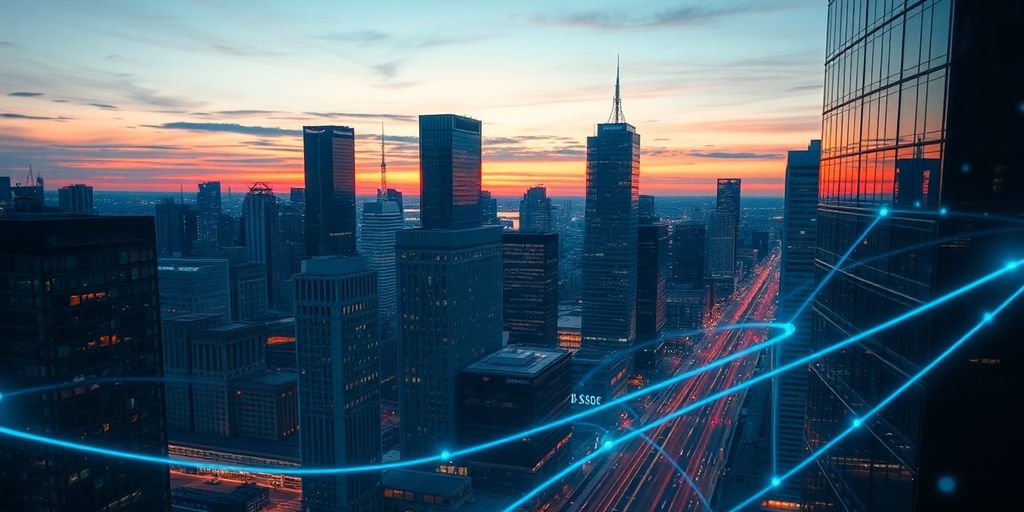
Smart city technologies are really changing how we live in urban areas. It’s not just about fancy gadgets; it’s about making everyday life better and solving real problems. Think about how traffic jams can be reduced with smarter signal timing, or how energy use can be cut down with better grid management. These changes might seem small, but they add up to a big difference in how efficient and pleasant a city is to live in.
Improving Quality of Life for Residents
At its core, smart city tech aims to make life easier for people. This can mean anything from getting real-time public transport updates to accessing city services online more easily. It’s about making cities more responsive to the needs of their citizens. For example, better waste management systems can lead to cleaner streets, and improved street lighting can make neighborhoods feel safer. The goal is to create urban environments where people can thrive.
Reducing Environmental Footprint
Cities are big energy users and producers of waste, so smart technologies play a big role in sustainability. Smart grids help manage electricity use more efficiently, reducing the need for power plants to run at full capacity all the time. Smart water management can detect leaks early, saving a precious resource. Even simple things like optimizing traffic routes can cut down on vehicle emissions. It’s all about using data to make smarter choices that are better for the planet.
Boosting Economic Competitiveness
Cities that adopt smart technologies often become more attractive places for businesses and skilled workers. Efficient infrastructure, reliable services, and a focus on innovation can give a city an edge. This can lead to job creation and economic growth. When a city runs smoothly and offers a high quality of life, it naturally draws investment and talent. It’s a cycle where technology helps build a stronger economy. For cities looking to stay competitive, investing in smart city construction is becoming a necessity.
The Road Ahead for Smart Cities
Looking at the cities making strides, it’s clear that the smart city movement in the U.S. is about more than just new gadgets. These places are using technology to solve real problems, like making traffic flow better or using energy more wisely. It’s about making daily life easier and cities more sustainable for everyone. As more communities adopt these ideas, we’ll likely see even more improvements in how we live and work. The journey to smarter cities is definitely one to keep an eye on.
Frequently Asked Questions
What exactly is a smart city?
A smart city is a city that uses technology and clever ideas to make life better for the people who live there. It’s all about solving real problems, like making traffic move smoother or using energy more wisely, instead of just adding fancy gadgets.
How do smart cities use technology?
Smart cities use things like sensors, cameras, and computer programs to gather information. This information helps city leaders understand how things are working and find ways to improve them, like fixing traffic lights to keep cars moving or making sure streetlights only turn on when needed.
What are the main goals of smart city projects?
The main goal is to make cities better places to live. This includes things like cleaner air, easier travel, safer streets, and more ways for people to connect with their city government and get services.
What are some cool new ideas happening in smart cities?
Cities are looking at many new ideas! Some are focusing on making transportation smarter, like apps that help you find parking or buses that run more on time. Others are working on using energy and water more efficiently and making sure everyone can access city services easily.
How do smart cities make sure everyone benefits?
It’s important that smart city plans help everyone. Cities are thinking about how to make sure people with disabilities can use the technology and how to provide internet access to people who might not be able to afford it otherwise. The idea is to be fair and include everybody.
What’s next for smart cities?
The future looks bright! Cities will likely use more smart technology to solve problems like climate change and make daily life even easier. We’ll probably see more connected devices helping manage everything from our trash to our power, making cities more sustainable and livable.


