

business resources
Why Practical Floor Materials Are Useful For High Traffic Areas
20 Mar 2026

Busy spaces ask a lot from their floors. Footfall, carts, spills, and quick turnarounds can grind down surfaces that look great on day one but fail by year two. Choosing practical materials is about balancing strength, safety, and upkeep so the floor works as hard as the space does x² reference¹.
In high-traffic areas, the right choice saves time and money while keeping people moving. It helps teams meet hygiene and safety goals without constant intervention. With a smart spec, you get durability, predictable maintenance, and a clean look that lasts.

What Makes A Floor Practical In Busy Spaces
Practical means predictable. In a store, plant, or terminal, floors should handle abrasion and impact without constant patching. If a surface chips, shows scratches, or stains easily, it becomes a maintenance burden and a safety risk.
The best materials pair surface hardness with a dense body. That density resists deep wear and keeps moisture from creeping into pores. When the internal structure is strong, routine cleaning does not erode the finish.
Practical floors play well with daily operations. They clean quickly, dry fast, and stand up to common chemicals. That way, staff can reset the space and get back to work.
Durability Starts With Wear Resistance
In tough environments, surface wear is the silent enemy. Abrasive grit under shoes can act like sandpaper, and repetitive turning loads can cut a path across the same lanes day after day.
Small scratches become dull, hard-to-clean zones. That is why many specifiers look at dense ceramic bodies such as fully vitrified tiles for long-term performance. These tiles fuse tightly during firing, which limits porosity and helps them shrug off abrasion and stains. The result is a surface that keeps its finish even when traffic never lets up.
A 2024 technical bulletin from Creative Materials Corp highlights deep abrasion limits as a practical benchmark for heavy-use floors. It notes target thresholds for volume loss, which helps teams compare products on more than just appearance and price. Using a numeric wear target keeps specs objective and reduces surprises during operation.
Choose The Right Tile Grade For The Job
Not every corridor or concourse takes the same beating. Entry vestibules, service aisles, and loading points get more rolling load and grit than an office hallway. Matching grade to use keeps costs aligned with real need and prevents early replacement.
A commercial tile guide from MSI Surfaces explains that light commercial areas often work with midrange wear classifications, while heavy commercial zones call for the highest grade. This rule of thumb helps planners align expectations with product limits and avoid under-specifying finishes where it matters most. When in doubt, step up the grade in the lanes that see the most turning and stopping.
Consider this quick planning checklist:
- Map the heaviest traffic lanes and turning zones first.
- Assign the top wear grade only where it pays back.
- Use transitions to shift from heavy to lighter grades cleanly.
Designers can vary tile formats to distribute stress. Smaller modules in tight aisles limit visible lippage and help control cracking under point loads. In broad concourses, larger formats reduce grout and speed cleaning.
Maintenance And Lifecycle Costs
Even the strongest floor fails if upkeep is too complex. Practical materials accept simple routines that fit into daily schedules. When crews can mop, auto-scrub, and go, costs stay lower across the life of the space.
Think in terms of total cost, not just purchase price. If a material needs frequent sealing, waxing, or aggressive chemicals, labor and downtime pile up. Dense, closed surfaces need fewer treatments, which keeps the long-term budget steady and makes supply planning simpler.
Cleaning Schedules That Stick
Maintenance plans work when they are easy to repeat. Standard pads, neutral cleaners, and clear rinse steps prevent residue build-up and keep traction steady. Two short cycles per day often beat one long cycle because the floor never reaches a dirty tipping point.
A simple upkeep kit helps crews act fast:
- Neutral cleaner, labeled for dilutions used on site.
- Standard pads and squeegees that fit existing machines.
- A spot-treatment protocol for oils, paint, and rust.
Track trouble spots. If an area needs extra passes, consider a mat, a walk-off zone, or a finish with a higher wear grade. Adjusting the spec at the root cause beats scrubbing harder forever.
Safety, Traction, And Comfort
High traffic areas must balance grip and cleanability. Too smooth can be slick when wet, but overly rough surfaces trap dirt and slow cleaning. Practical floors target a finish that delivers reliable traction while still releasing soil in routine cycles.
Comfort matters too. Hard floors can transmit noise and fatigue, especially in long-shift environments. Pairing dense tile with well-planned underlayment, sound breaks, or rubberized walk-off paths takes the edge off without sacrificing durability. This hybrid approach keeps workers safer and more comfortable over a full day.
Lighting is part of safety as well. Matte and low-sheen finishes reduce glare and help people see edges and spills. Good visibility turns near-misses into non-events and lowers incident rates without adding maintenance steps.
Alternatives That Work With Tile
No single product covers every use case, and that is fine. In some spaces, resilient surfaces offer a smart complement to tile. When you mix materials with intent, you tailor performance to each task.
A recent article from Taj Flooring points out that LVT and resilient sheet floors deliver a strong blend of durability, easy maintenance, and design range for busy commercial areas. These materials can absorb impact and reduce noise, which helps in offices, clinics, and retail zones. Placing them next to high-wear tile corridors can be a cost-effective way to meet multiple needs at once.
Use transitions to define zones without tripping people up. Thoughtful detailing at thresholds prevents edge lift and keeps cleaning consistent. With the right trims and slopes, carts move smoothly, and floors stay tight.
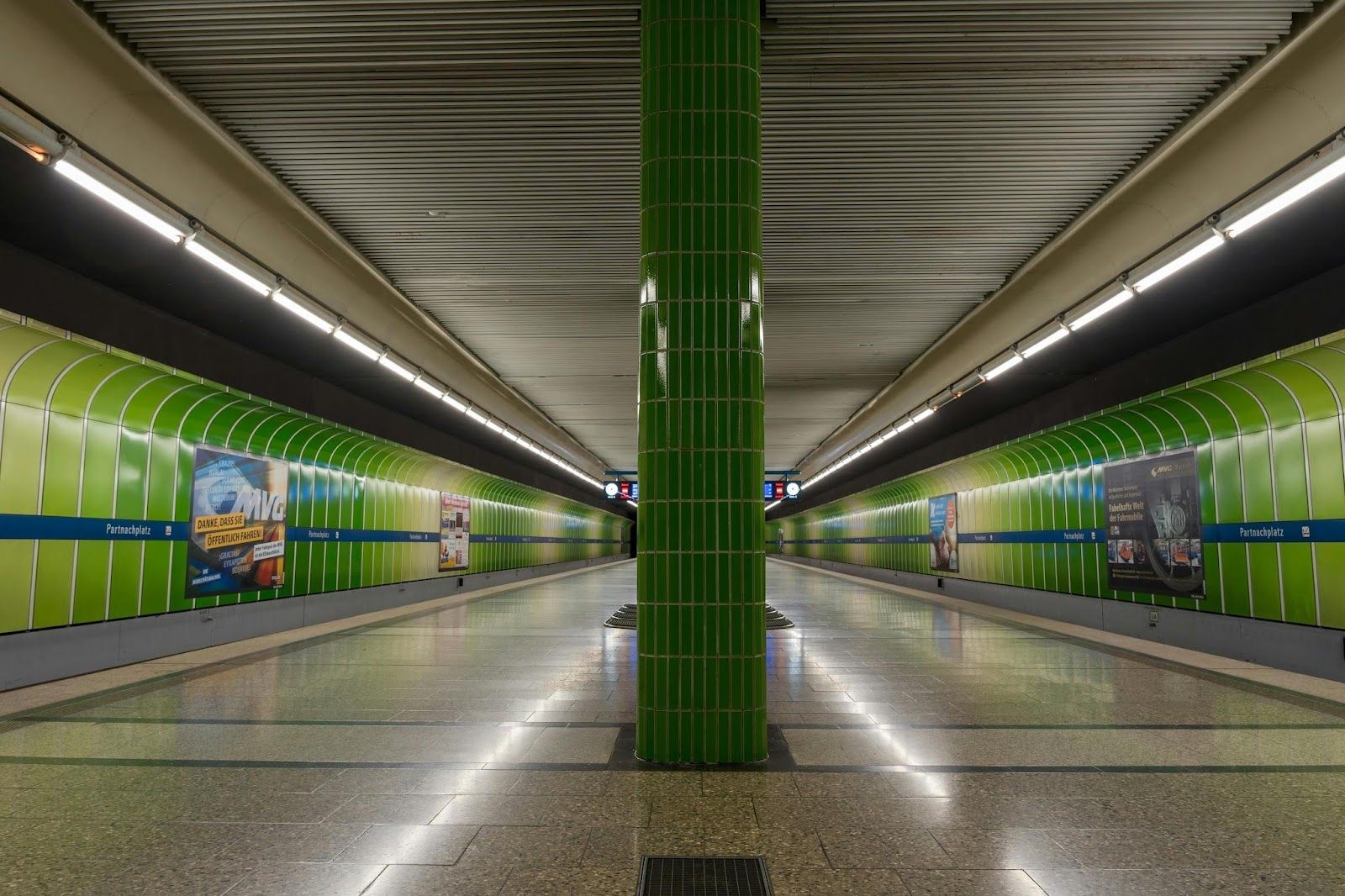
When the floor is matched to real-world demand, everything runs more smoothly. Crews spend less time on emergency touch-ups, and managers spend less on early replacements. A durable, cleanable surface gives a better first impression for customers and inspectors.
Practical materials free up attention for bigger problems. Instead of fighting the floor, teams can focus on throughput, service, and safety. Over a year or two, that stability pays back in fewer disruptions and more predictable budgets.
The Future of AI in Business Transformation
Artificial Intelligence is transforming industries by improving efficiency, reducing costs, and enabling data-driven decision-making.
Why AI Matters Today
AI is not just a trend — it is a powerful revolution that is reshaping how organizations operate.
Businesses are adopting machine learning models to automate repetitive tasks and increase productivity.
However, some traditional roles are becoming obsolete, evolving into more strategic positions.
You can explore more about AI advancements at: https://openai.com
Key Benefits of AI Adoption
Operational Advantages:
- Improved efficiency through automation
- Better decision-making using predictive analytics
- Enhanced customer experience
- Reduced manual errors operational risks
Strategic Advantages:
- Competitive advantage in the market
- Faster innovation cycles
- Data-backed leadership decisions
- Long-term scalability
Visual Representation


AI Implementation Roadmap
To successfully implement AI, organizations should:
- Define clear business objectives
- Identify relevant datasets
- Choose the right AI tools
- Monitor and optimize performance
For detailed documentation, visit: https://cloud.google.com/ai


