


resources
Exploring Global Patterns: Where Do People Live and Why in 2025?
27 Jul 2025

So, where do people live in 2025? It’s a big question, and the answer is pretty complex. We’re seeing shifts in where populations are growing, where they’re shrinking, and why all this is happening. It’s not just about numbers; it’s about how these changes affect everything from economies to the environment. Let’s break down the global picture and see what’s going on.
Key Takeaways
- The world population is around 8.2 billion in 2025, and most people, over 58%, are now living in cities.
- Asia is still the most crowded continent, with India now having more people than China.
- Africa’s population is growing fast, especially in the younger age groups, while places like Europe are seeing declines.
- Economic chances and where jobs are located are big reasons why people move, both within countries and across borders.
- The global population is expected to keep growing but at a slower pace, eventually peaking and then possibly dropping later this century.
Understanding Global Population Distribution
The World’s Population in 2025: A Dynamic Overview
As of 2025, our planet is home to roughly 8.23 billion people. This number isn’t just a statistic; it represents a dynamic tapestry of growth and change that has accelerated significantly over the past century. We’ve seen remarkable progress in areas like healthcare and food production, which have helped lower death rates and allow more people to live longer, healthier lives. This expansion, however, comes with its own set of considerations as we think about how and where people are settling.
Key Demographic Trends Shaping Where People Live
Several major demographic shifts are influencing where populations are concentrated. Globally, fertility rates have been declining, now averaging around 2.3 births per woman, a significant drop from past decades. Yet, this average masks wide regional differences. Some areas are experiencing rapid population increases due to higher birth rates, while others are seeing slower growth or even population decline because of low fertility and aging populations. These trends directly impact everything from workforce availability to the demand for social services.
Concentration in Urban Centers
One of the most significant patterns we observe today is the increasing concentration of people in urban areas. More than half of the world’s population now lives in cities, and this trend is expected to continue. This movement towards cities is driven by a search for better economic prospects, access to education, and improved infrastructure. As cities grow, they become hubs of activity, innovation, and, of course, population density. Understanding urbanization and migration patterns is key to grasping current population distribution.
The movement of people, especially towards cities, is a defining characteristic of our current demographic landscape. It reshapes communities and economies alike.
Here’s a look at some key population figures:
| Region | Population (Approx. Billions) | Growth Rate (Annual) |
|---|---|---|
| Asia | 4.8 | 0.8% |
| Africa | 1.5 | 2.5% |
| Europe | 0.7 | -0.1% |
| North America | 0.4 | 0.6% |
| South America | 0.4 | 0.9% |
| Oceania | 0.04 | 1.3% |
These numbers highlight the vast differences in population size and growth across continents. Asia remains the most populous continent, while Africa is experiencing the fastest growth. Europe, in contrast, is seeing a slight population decrease.
Regional Population Dynamics
Looking at how people are spread across the globe in 2025, it’s clear there are some big differences between continents and even within them. It’s not a uniform picture at all.
Asia’s Dominance and India’s Growth
Asia remains the most populated continent by a wide margin. Southern Asia, in particular, is a huge population hub. India has now become the world’s most populous country, surpassing China. This shift is a major demographic event, with India’s population continuing to grow. This concentration of people in Asia presents unique challenges and opportunities related to resource management and economic development.
Africa’s Youthful Surge and Future Expansion
Africa’s population is growing faster than any other continent. A key feature here is the continent’s very young population. Many countries, especially in sub-Saharan Africa, have high birth rates. This means a large young workforce is entering the market, but it also puts pressure on services like education and healthcare. Projections show this growth will continue, making Africa a significant factor in global population trends for decades to come. For instance, Alberta’s population growth is a notable trend within Canada.
Contrasting Trends in Europe and East Asia
In stark contrast to Africa and parts of Asia, Europe and some East Asian countries like Japan are experiencing different demographic patterns. These regions often have lower birth rates and aging populations. This can lead to a shrinking workforce and increased demand for elder care. The population dynamics here are shaped by factors like increased life expectancy and decisions about family size. It’s a different set of challenges compared to the high-growth regions, focusing more on maintaining economic activity with a smaller, older population. Alberta’s population is growing, but many European nations face the opposite trend.
Drivers of Population Movement
People move for all sorts of reasons, and understanding these motivations is key to grasping global population patterns. It’s not just one thing; usually, it’s a mix of what’s pushing people away from where they are and what’s pulling them toward somewhere else. Think of it like this: some places have problems that make living there difficult, while other places seem to offer better opportunities.
Economic Opportunities and Migration Patterns
Let’s be real, jobs and money are huge factors. When people see better work prospects or a chance to improve their financial situation, they’re often motivated to move. This is especially true for younger people looking to start their careers or families wanting a more stable income. The flow of people seeking economic betterment has been a constant throughout history, and it continues to shape where populations grow and shrink. As of the end of 2024, an estimated 123.2 million individuals globally were forcibly displaced. This displacement was driven by factors such as persecution, conflict, violence, and human rights violations. Many of these individuals are seeking economic stability in new locations.
Factors Influencing Fertility Decisions
Fertility rates, or how many children women have on average, also play a big role in population changes. Things like access to education, healthcare, and family planning services can influence these decisions. In many parts of the world, as women gain more educational and economic opportunities, fertility rates tend to go down. Conversely, in areas where these opportunities are more limited, birth rates can remain higher, contributing to population growth. It’s a complex interplay of social, economic, and personal choices.
The Role of Urbanization in Population Shifts
We’re seeing a massive shift towards cities. More and more people are moving from rural areas to urban centers, a process called urbanization. Cities often concentrate economic activity, offering more jobs and services than rural areas. This migration to cities isn’t just about finding work; it’s also about access to education, healthcare, and a different lifestyle. This trend is reshaping landscapes and creating new demographic patterns, with megacities growing rapidly and influencing national and global population distributions.
Future Population Projections
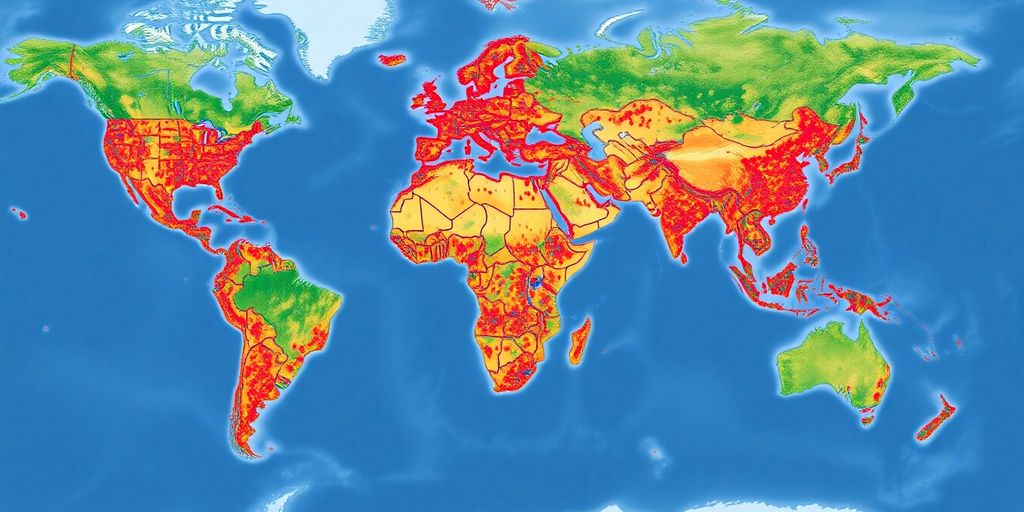
When we look ahead, the global population is set to change quite a bit. Experts predict that the world’s population will hit its highest point around the year 2084, reaching about 10.3 billion people. After that, things are expected to level off and then slowly start to decrease, bringing the total down to roughly 10.2 billion by the end of the century, in 2100. This slowdown isn’t happening everywhere at the same rate, though. Many countries are seeing lower birth rates, which is a big reason for this projected peak and eventual dip.
Global Population Peak and Subsequent Decline
The big picture shows a peak in global numbers, but the story is different depending on where you look. While some regions are experiencing growth, others are seeing their populations shrink. This shift is largely due to varying fertility rates and life expectancies across different parts of the world. The United Nations projects the global population will reach 9 billion by 2037, 10 billion by 2060, and peak at 10.3 billion in 2084 before declining slightly to 10.2 billion by 2100.
Countries Driving Future Population Growth
Looking at where the growth will happen, it’s clear that a few countries will account for a significant portion of the increase. Over half of the projected population growth between now and 2050 is expected to come from just eight countries. These include nations like India, which is already the most populous, and Nigeria, known for its very young population. Other countries in Africa and parts of Asia are also expected to contribute heavily to future population numbers.
Immigration’s Impact on National Populations
Immigration is going to play a much larger role in shaping the populations of many countries in the coming decades. In fact, it’s expected to be the main driver of population growth in 52 different countries. For example, countries like the United States are projected to see their populations grow significantly, partly due to people moving there from other parts of the world. This movement of people can have a big effect on the age structure, workforce, and cultural makeup of nations.
Challenges and Opportunities in Population Growth
As the global population continues its upward trajectory, reaching over 8.2 billion in 2025, we face a complex mix of challenges and opportunities. Managing this growth sustainably and equitably is perhaps the defining task of our era. Different regions are experiencing these demographic shifts in vastly different ways, creating unique pressures and possibilities.
Sustainability and Resource Strain
Rapid population increases, especially in developing nations, put significant pressure on natural resources and infrastructure. Think about water, food, and energy – demand for all of these goes up. This also makes it harder for governments to meet basic needs like healthcare and education for everyone. The UN’s Sustainable Development Goals are directly impacted, as providing these services becomes more difficult with a growing populace. We’re seeing this play out in places where resources are already stretched thin.
Aging Populations and Economic Implications
On the flip side, many developed countries, particularly in Europe and East Asia, are dealing with aging populations and declining birth rates. This means fewer young people entering the workforce, which can lead to labor shortages and slower economic growth. To keep economies running, countries are looking at things like automation and rethinking retirement ages. It’s a tricky balance – supporting an older population while also needing a dynamic workforce.
Addressing Development Goals Amidst Demographic Change
Meeting global development targets requires a keen understanding of demographic trends. For instance, rapid urbanization, with more people moving to cities, intensifies the need for better urban planning and infrastructure. Simultaneously, factors like climate change and economic uncertainty are influencing family planning decisions, with many people choosing to have fewer children. Adapting policies and investments to these shifting patterns is key. For those looking to build a new life in a different country, understanding these demographic shifts is important, and seeking expert legal advice can help navigate the complexities.
The world’s population is not just a number; it’s a reflection of human progress, societal changes, and the ongoing quest for a better life. How we manage these demographic shifts will shape our collective future.
The Evolving Urban Landscape
Cities are changing, and how we think about them is changing too. While the big, famous cities like New York, London, and Tokyo are still major players economically, the real growth is happening elsewhere. We’re seeing a big shift towards cities in developing countries, especially in places like India, which are becoming more important to the global economy. It’s estimated that by 2050, the world’s top 1,000 cities will be home to half a billion more people than they are today. That’s a lot of new residents and jobs, and it means these urban areas have a huge chance to grow.
Growth of Emerging Cities
Many cities in the developing world are growing at a rapid pace. These places often face challenges with their infrastructure, as it can be hard for it to keep up with the increasing number of people. As a result, income per person might be lower compared to more established cities. However, this rapid growth also presents opportunities for development and improvement.
Continued Dominance of Global Powerhouses
Despite the rise of emerging cities, the established global centers continue to hold significant sway. These cities, often characterized by their economic strength and established infrastructure, remain hubs for international business and finance. They continue to attract talent and investment, maintaining their status as key players on the world stage. For example, Canada’s population saw a modest increase in early 2025, but established urban centers within the country continue to be economic drivers.
Increased GDP and Productivity in Urban Centers
With more people and more jobs, cities are expected to see a significant boost in their Gross Domestic Product (GDP). Projections suggest a substantial rise in productivity by 2050, which will likely lead to higher incomes for city dwellers. It’s predicted that more than a quarter of all cities could see their average household incomes more than double in the next 25 years. This economic growth is often driven by factors like:
- GDP size and growth: The overall economic output and its rate of increase.
- Economic stability: How resilient the city’s economy is to shocks.
- GDP per person: A measure of average economic output per individual.
- Employment growth: The rate at which new jobs are being created.
- Economic diversity: The range of industries and sectors within the city’s economy.
The economic health of a city is closely tied to its ability to generate wealth, create jobs, and provide access to goods and services. Understanding these economic factors is key to assessing a city’s potential for sustained growth and development.
Looking Ahead: A World in Motion
So, as we wrap up our look at where people are living in 2025, it’s clear the world is a busy place. We’ve seen how populations are growing, especially in certain areas, and how cities are becoming even more important. It’s not just about the numbers, though. These shifts affect everything from how we use resources to how our economies work. Understanding these patterns helps us think about the future and how we can all live better together on this planet. It’s a big story, and it’s still unfolding.
Frequently Asked Questions
How many people live on Earth in 2025, and where do most of them live?
In 2025, the world’s population is about 8.2 billion people. This number is growing, adding around 70 million people each year. Most people, over half, now live in cities.
Which parts of the world have the most people, and what are the main differences between them?
Asia is the most crowded continent, with India being the most populated country. Africa is seeing a lot of growth because it has a young population. On the other hand, Europe and East Asia have fewer people because birth rates are low and people are getting older.
Why do people move to certain places, and what influences their decisions about having children?
People move for many reasons. Better job opportunities and higher pay are big draws. People also consider things like wanting fewer children due to worries about the environment or the economy. Cities attract people because that’s where many jobs and opportunities are.
What do experts predict for the world’s population in the future, and which countries will grow the most?
The world’s population is expected to reach a peak of about 10.3 billion people around 2084 and then might slightly decrease. India, Nigeria, and Pakistan are expected to have the biggest population increases. Countries like the U.S. will see their populations grow mainly because of people moving in.
What problems can arise from population growth, especially concerning resources and older populations?
Fast population growth can make it hard for countries to provide enough resources like food, water, and healthcare for everyone. Also, in places where people are getting older, there might not be enough young workers to support the economy. These issues can make it harder to reach global goals for development.
How is the way cities are growing changing, and what does this mean for the economy?
Big cities are growing quickly, especially in developing countries. While older, major cities like New York and Tokyo are still important, cities in places like India will become more significant. More people living and working in cities means more economic activity and potentially higher incomes for residents.


