


resources
Understanding UK Population by City: Trends and Top Urban Centers for 2025
26 Jul 2025

Thinking about the UK’s population by city in 2025? It’s a pretty interesting topic, right? Cities are always changing, with people moving in and out, and new babies being born. We’re going to look at some of the biggest urban centers and see what’s happening with their populations. It’s not just about who lives where, but also why they choose to live there. Let’s explore some of the main places and what makes them tick.
Key Takeaways
- London is still the UK’s biggest city, with a population well over 9 million.
- Birmingham and Glasgow are the next largest cities after London.
- Each city has its own unique culture and economic importance.
- More people are moving to cities, mainly for jobs and better opportunities.
- Growing cities need to deal with issues like housing and making sure there’s enough infrastructure for everyone.
1. London: The UK’s Largest Urban Agglomeration
When we talk about the United Kingdom’s population centers, London is in a league of its own. It’s not just a big city; it’s a massive urban area, the kind that shapes national trends and draws people from all corners of the globe. For 2025, projections show London continuing its reign as the UK’s most populous city by a wide margin. It’s estimated that over 9 million people will call the London agglomeration home. That’s more than three times the population of many other major UK cities combined, making it a truly unique phenomenon.
Population Snapshot
Understanding the sheer scale of London’s population is key to grasping the UK’s demographic makeup. The numbers are quite striking:
| City | Population (2025 est.) |
|---|---|
| London | 9,000,000+ |
This figure highlights London’s role not just as a city, but as a global hub for finance, culture, and opportunity. Its gravitational pull on both domestic and international migration is a significant factor in its sustained growth.
Factors Driving London’s Size
Why is London so much larger than other UK cities? Several factors contribute to this:
- Economic Opportunities: London has historically been and continues to be the economic engine of the UK, offering a vast array of job prospects across diverse sectors.
- Global Connectivity: As a major international transport hub with multiple airports and extensive rail networks, London is easily accessible from anywhere in the world.
- Cultural and Educational Hub: The city boasts world-class universities, museums, theaters, and a vibrant cultural scene that attracts students and tourists alike, many of whom decide to stay.
The concentration of opportunities and attractions in London creates a powerful draw, making it a magnet for people seeking career advancement, educational pursuits, and a dynamic lifestyle.
Historical Context and Future Outlook
London’s status as a major population center isn’t new; it dates back centuries. From its Roman origins to its role in the Industrial Revolution and its current position as a global financial capital, the city has consistently adapted and grown. Looking ahead, while other cities are experiencing significant growth, London’s sheer scale means it will likely remain the UK’s largest urban agglomeration for the foreseeable future. Managing this vast population requires continuous planning and investment in infrastructure and services to maintain its status as a livable and thriving metropolis. The ongoing development and expansion of its transport networks are critical to supporting this growth.
2. Birmingham: A Major Population Hub
Birmingham is a powerhouse in the UK’s urban landscape, often called the "second city" after London. It’s a place with a long history of industry and change, and its population reflects that. With a metro population that’s well over 3 million, Birmingham is a significant hub for people living and working in the West Midlands. It’s not just about the sheer number of people, though; it’s about how the city is growing and what’s drawing folks there.
Population Statistics and Trends
When you look at the numbers, Birmingham really stands out. It’s consistently ranked as one of the most populous cities in England, usually coming in right after London. The population here has seen steady growth over the years, thanks in part to job opportunities and its role as a center for education and culture. It’s interesting to see how these urban centers have grown and changed.
| City/Town | Population (2025 est.) |
|---|---|
| London | 9,000,000+ |
| Birmingham | 1,150,000+ |
| Manchester | 550,000+ |
| Liverpool | 580,000+ |
Growth Rates Across Regions
Birmingham, like many large cities, sees a good amount of movement. People are drawn to the West Midlands for work, study, or family. This migration, both from within the UK and internationally, plays a big part in keeping the city’s population dynamic. Understanding these patterns helps us see how places like Birmingham are changing.
Understanding migration patterns is key to predicting future population changes. It’s not just about numbers; it’s about the skills and needs that new residents bring, and how towns adapt to accommodate them.
Impact of Migration on Town Populations
Migration is a huge factor in Birmingham’s population story. People move for jobs, for school, or just for a change. This brings new cultures and ideas, but it also means more demand for housing and services. It’s a constant balancing act for the city planners.
Here are some factors influencing migration:
- Job opportunities: Towns with lots of jobs attract people.
- Educational institutions: Universities and colleges draw students who often stay after graduating.
- Quality of life: Factors like housing affordability and cultural attractions influence where people choose to settle.
Economic Impact of Population Growth
More people generally means more economic activity. Birmingham benefits from this, with increased demand for goods and services helping to drive growth. However, it also means the city needs to keep up with housing, transport, and public services. Managing this growth is important for making sure Birmingham remains a good place to live and work. The United Nations projections can offer some insight into these broader trends.
3. Manchester: Second Largest Urban Center
Mancunians, as residents of Manchester are known, live in the UK’s second-largest urban agglomeration. While London is in a league of its own, Manchester holds a strong position as a major population center, especially in the North of England. The city has a rich industrial past that has shaped its development and continues to influence its modern identity.
Manchester’s population is estimated to be over half a million people, making it a significant hub. The city’s growth isn’t just about numbers; it’s about attracting people for work, education, and its vibrant cultural scene. Property developers are anticipating substantial growth, with projections suggesting an increase of 150,000 residents in the city centre over the next decade, highlighting its ongoing appeal.
Population Statistics
Here’s a look at how Manchester stacks up against other major English cities in terms of population:
| City | Population (2025 est.) |
|---|---|
| London | 9,000,000+ |
| Birmingham | 1,150,000+ |
| Manchester | 550,000+ |
| Leeds | 500,000+ |
Key Factors Driving Growth
Several elements contribute to Manchester’s steady population increase:
- Economic Opportunities: The city boasts a diverse economy with strong sectors in finance, digital technology, and media, attracting professionals from across the country and beyond.
- Educational Institutions: Manchester is home to several large universities, drawing in a significant student population who often remain in the city after graduation.
- Cultural Appeal: From its music heritage to its thriving arts and sports scenes, Manchester offers a dynamic lifestyle that appeals to a wide range of people.
Historical Growth Trends
Manchester’s population story is deeply tied to the Industrial Revolution. It transformed from a small market town into a global center for textile manufacturing. This period saw massive population influxes, shaping the city’s infrastructure and social fabric. While the industrial landscape has changed, the legacy of growth and adaptation continues. Understanding these historical shifts helps us see how population estimates evolve over time.
Cities are more than just places to live; they’re centers of innovation, culture, and economic activity. They shape our national identity and drive progress.
Cultural Significance of Urban Areas
Manchester is a powerhouse of culture in the North. It’s known for its music venues, museums, and a distinctively friendly atmosphere. This cultural richness, combined with its economic drive, makes it a compelling place to live and work. The city’s ongoing development and its status as one of the UK largest cities solidify its importance in the national demographic picture.
4. Glasgow: Scotland’s Population Leader
Glasgow stands as Scotland’s most populous city, a vibrant urban center with a rich industrial past that has shaped its modern identity. It’s a place where history meets contemporary life, drawing in residents with its cultural offerings and economic opportunities. The city’s population is a significant factor in Scotland’s overall demographic landscape.
Key Population Figures
When looking at Scotland’s urban centers, Glasgow consistently ranks at the top for population size. While Edinburgh, the capital, is also a major hub, Glasgow’s sheer numbers make it the leading city in terms of residents. This concentration of people influences everything from infrastructure needs to the city’s dynamic social scene.
| City | Population (2025 est.) |
|---|---|
| Glasgow | 630,000 |
| Edinburgh | 520,000 |
| Aberdeen | 210,000 |
| Dundee | 150,000 |
Historical Context
Glasgow’s growth wasn’t accidental; it was fueled by its role as a global industrial powerhouse, particularly in shipbuilding and manufacturing. This history is still visible in its architecture and the spirit of its people. Understanding this historical context helps explain the city’s development and its enduring appeal.
Cultural Heritage
Beyond its population figures, Glasgow boasts a lively cultural scene. It’s renowned for its music venues, art galleries, and a general creative energy that permeates the city. From the famous Glasgow School of Art to its numerous festivals, culture is a big part of what makes Glasgow tick.
Scotland’s cities are more than just places to live; they’re centers of innovation, creativity, and community. They reflect the spirit of the Scottish people and contribute significantly to the nation’s identity.
Cultural Landmarks
Glasgow’s cultural richness is evident in its many landmarks. These sites not only attract visitors but also contribute to the city’s unique character and provide residents with places to connect with their heritage and enjoy the arts.
- Glasgow Cathedral
- Kelvingrove Art Gallery and Museum
- Riverside Museum
- The Tall Ship at Riverside
Cultural Influences on Population Changes
Cultural factors play a role in how Glasgow’s population grows and changes. The city’s strong arts and music scene, along with its educational institutions, attract young people and creatives. This influx contributes to the city’s dynamic atmosphere and influences job prospects in creative industries.
5. Liverpool: Significant Urban Population
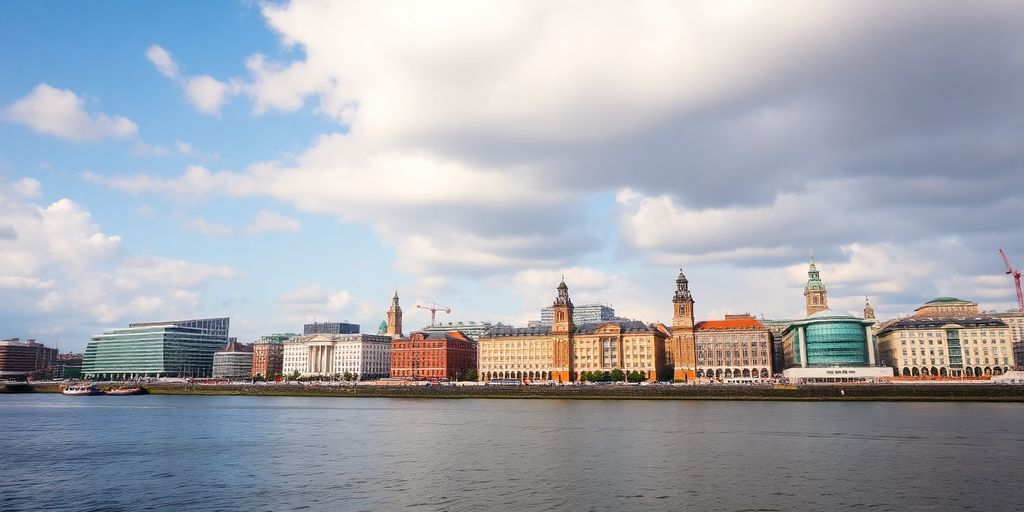
Liverpool, a city with a rich maritime history, continues to be a significant urban center in the UK. While not as large as London or Birmingham, its population of over 580,000 makes it a key player in the North West of England. The city’s appeal is multifaceted, drawing residents with its vibrant cultural scene, historic architecture, and improving economic prospects.
Population Statistics and Trends
Liverpool’s population has seen steady growth, influenced by both natural increase and migration. The city’s regeneration efforts have made it more attractive to young professionals and families. Understanding the factors driving this growth is key to planning for the future.
| City/Town | Population (2025 est.) |
|---|---|
| Liverpool | 580,000+ |
Economic Contributions
Liverpool’s economy is diverse, with strengths in sectors like finance, digital media, and tourism. The city’s port remains a vital part of its identity and economy, though it has evolved from its industrial past. New developments are creating jobs and attracting businesses, contributing to the city’s overall appeal.
Cultural Landmarks
Beyond its population figures, Liverpool is globally recognized for its cultural contributions, most notably its music heritage. The city boasts numerous museums, galleries, and iconic landmarks, such as the Royal Albert Dock and its famous waterfront. These cultural assets play a role in attracting visitors and new residents alike.
The city’s enduring cultural significance and ongoing regeneration efforts contribute to its stable and growing urban population.
6. Cardiff: Top City for Population Growth
Cardiff, the capital of Wales, is really pulling in new residents, showing a solid 3.4% population increase. It seems like a lot of people are finding the city’s mix of a lively economy, a pretty cool cultural scene, and decent transport links very appealing. Cardiff offers a good lifestyle and plenty of job prospects, which are big reasons why its population is growing.
Economic Drivers
Cardiff’s economy is a major draw. As the capital, it’s a center for finance and media industries, creating jobs that attract people from other parts of Wales and beyond. The city also benefits from its proximity to other major UK hubs, making it a strategic location for businesses and employees alike. This economic activity is a key factor in its population growth.
Lifestyle and Attractiveness
Beyond jobs, Cardiff offers a vibrant lifestyle. You’ve got historical sites like Cardiff Castle right alongside modern attractions like the Wales Millennium Centre. Plus, the surrounding natural beauty of Wales, including places like the Brecon Beacons National Park, is easily accessible. This combination of urban amenities and natural escapes makes Cardiff a well-rounded place to live.
The city’s growth isn’t just about numbers; it’s about attracting people who want a good balance of career opportunities and a fulfilling personal life. This makes Cardiff a standout in the UK’s urban landscape.
Key Growth Factors
- Job Market: A diverse and growing job market, particularly in finance and media.
- Cultural Scene: A rich cultural offering with historical sites and modern entertainment venues.
- Connectivity: Good transport links within Wales and to other parts of the UK.
- Quality of Life: A blend of urban living with easy access to natural landscapes.
Understanding population distribution across the UK helps explain why cities like Cardiff are experiencing such growth. The Welsh statistics show a clear trend of people moving to the capital for better opportunities.
7. Coventry: Attracting Young Residents
Coventry is really making a name for itself, not just because its population is growing, but because it’s doing a great job of keeping younger folks, especially those between 21 and 32, around. It seems like the city has a good handle on what these younger residents are looking for.
Key Growth Drivers
What’s making Coventry so appealing? Well, a few things stand out. The job market there is pretty solid, offering opportunities that draw people in. Plus, compared to some of the bigger UK hubs, housing in Coventry is more affordable, which is a big plus for anyone starting out or looking to settle down. Its location is also a big deal; being close to major cities like Birmingham and London makes it a convenient spot for commuters or those who want access to larger urban centers without living right in the middle of them.
Demographic Snapshot
It’s interesting to see how the age groups are distributed. According to ONS population estimates from 2021, children and young people aged 0-17 make up just over one-fifth (22.2%) of Coventry’s total population. This suggests a city that’s not only attracting young professionals but also families, contributing to a balanced demographic.
Factors Contributing to Appeal
- Job Opportunities: A strong local economy provides employment for a range of skills.
- Affordable Housing: Compared to national averages, Coventry offers more accessible housing prices.
- Strategic Location: Proximity to major transport networks and other large cities.
- Quality of Life: A blend of urban amenities and accessible green spaces.
The city’s focus on creating an environment where young people can build careers and lives seems to be paying off, making it a notable center for population increase.
Coventry’s population growth rate was reported at 2.2%, which is quite significant when you look at the overall picture of UK population growth.
8. Milton Keynes: Growing Population Hub
Milton Keynes is really making a name for itself as a place where people are moving to. It’s not just a random increase; there are solid reasons behind it. The town, designated as a new town back in 1967, has seen its population climb steadily. By 2025, projections suggest it’s on track to reach around 300,000 residents, based on recent census data for the Milton Keynes Built-up Area. This growth puts it firmly on the map as a significant urban center.
Factors Driving Growth
So, what’s the draw? A big part of it is the economy. Milton Keynes has a strong and varied job market, which is a major pull for people looking for work. Plus, when you compare it to the cost of living in nearby London, Milton Keynes offers a more affordable lifestyle. This combination of job opportunities and better affordability makes it a smart choice for many.
- Economic Opportunities: A diverse job market attracts professionals and families.
- Affordability: Lower living costs compared to major hubs like London.
- Modern Infrastructure: The city’s planned layout and green spaces add to its appeal.
- Younger Demographic: It’s becoming a popular spot for young professionals and families.
The town’s planned structure, combined with its economic vitality, makes it an attractive destination for those seeking a balance between career advancement and a good quality of life.
Population Growth Figures
Milton Keynes is experiencing a notable population increase, estimated at around 2.0%. This figure places it among the top cities for population growth in the UK. This steady rise indicates a consistent trend of people choosing Milton Keynes as their home.
Challenges and Opportunities
Of course, with more people comes more demand. Housing is a big one, and like many growing cities, Milton Keynes faces the challenge of keeping up with housing needs. However, this growth also presents opportunities for development and investment. The town’s forward-thinking approach to urban planning is key to managing this expansion effectively. Understanding these population trends helps paint a clearer picture of the UK’s evolving urban landscape.
10. Edinburgh: Cultural and Population Significance
Edinburgh, the capital of Scotland, is a city that beautifully blends history with a dynamic present. It’s not just a seat of government; it’s a major cultural and economic center, drawing people from all over. The city’s unique character, shaped by its rich past and vibrant arts scene, makes it a compelling place to live and visit.
Key Population Figures
While Glasgow often leads in sheer numbers, Edinburgh holds its own as a significant urban center. As of 2025 estimates, the city’s population is projected to be around 520,000 residents. This figure places it as a major player in Scotland’s demographic landscape, contributing significantly to the nation’s overall population distribution.
| City | Population (2025 est.) |
|---|---|
| Glasgow | 630,000 |
| Edinburgh | 520,000 |
| Aberdeen | 210,000 |
| Dundee | 150,000 |
Cultural Heritage
Edinburgh’s cultural appeal is undeniable. It’s famous for hosting the Edinburgh Fringe Festival, the largest arts festival in the world, which brings a massive influx of visitors and performers each year. Beyond the festival, the city boasts a wealth of historical sites, museums, and galleries. This rich cultural tapestry attracts not only tourists but also residents who appreciate a lively arts scene and a deep connection to history. The city’s commitment to preserving its heritage, including the UNESCO World Heritage site of its Old Town, is a key factor in its enduring appeal.
Cultural Influences on Population Changes
Cultural factors play a big role in Edinburgh’s population dynamics. The presence of prestigious universities attracts a steady stream of students and academics, many of whom choose to stay after graduation. Furthermore, the city’s reputation as a cultural capital, with its numerous festivals and events, acts as a magnet for creative individuals and those seeking a stimulating environment. Access to diverse job prospects across various sectors also contributes to its attractiveness. Edinburgh’s unique blend of tradition and modernity, coupled with its strong educational institutions, helps to maintain a healthy and growing population.
Scotland’s cities are more than just places to live; they’re centers of innovation, creativity, and community. They reflect the spirit of the Scottish people and contribute significantly to the nation’s identity.
Cultural Landmarks
Edinburgh is home to iconic landmarks that are recognized globally. The historic Edinburgh Castle, perched atop an extinct volcano, dominates the skyline. The Royal Mile, connecting the castle to the Palace of Holyroodhouse, is lined with historic buildings and tells the story of the city’s past. The National Museum of Scotland offers a journey through Scottish history, science, and art. These sites are not just tourist attractions; they are integral to the city’s identity and contribute to its overall appeal as a place to live and work. Exploring these cultural landmarks provides a deeper appreciation for Edinburgh’s significance.
Wrapping Up Our Look at UK Cities
So, as we finish up our chat about the UK’s biggest cities and their populations, it’s pretty clear these places are more than just names on a map. Each one, from the busy streets of London to the historic feel of places like Edinburgh, has its own story. The way these cities are growing and changing really shows us what’s happening in the country overall. Thinking about 2025, understanding these population shifts is important because they bring both good things and tough spots. Whether you’re thinking of visiting, moving, or just curious, the UK’s cities have a lot to offer. They mix old with new, and there’s always something new to find.
Frequently Asked Questions
What are the biggest cities in the UK based on how many people live there?
The largest cities in the UK by population include London, Birmingham, Glasgow, Liverpool, and Manchester. These cities are major hubs for jobs, culture, and people.
Why is London the largest city in the UK?
London is the biggest city because it has tons of jobs, good schools, and lots of fun things to see and do. Its long history and diverse culture attract people from all over the world.
What makes cities in the UK grow so quickly?
Cities in the UK grow fast because they offer many job opportunities, attract people to move there, and have more babies born than people passing away. Places like London and Manchester are popular because they have exciting lifestyles and job choices.
How do UK cities handle more people moving in?
UK cities manage growing populations by improving public services like schools and hospitals, building more homes, and making transportation better. They also create plans to make sure everyone can live comfortably.
What difficulties do growing cities run into?
Growing cities often face problems like too many people in one place, putting a strain on public services, and the need for affordable housing. They also need to find ways to protect the environment while they build more.
What is the expected population change in UK towns by 2025?
By 2025, many UK towns are expected to have more people living in them because of new jobs and people moving in. However, some places might see fewer people if job opportunities lessen.


