

resources
Unveiling the Top 10 Smart Cities in India: A 2025 Perspective
17 Jun 2025

India’s urban landscape is changing fast, and the idea of a ‘smart city’ is becoming a big deal. These places use technology to make life better for everyone, from managing traffic to keeping things clean. It’s all about making cities work smarter, not harder. We’re talking about places where old traditions meet new tech, creating a really cool mix. So, if you’re curious about which cities are leading the way in this whole smart city thing, especially the top 10 smart city in india, then stick around. We’re going to check out the best ones for 2025 and see what makes them so special.
Key Takeaways
- Smart cities in India are all about using technology to make urban life better and more efficient.
- These cities focus on things like good public services, green living, and strong economies.
- The goal is to create places where people can live well, work, and enjoy their surroundings.
- Each smart city has its own unique strengths, from historical charm to cutting-edge tech.
- India’s Smart Cities Mission is pushing for a future where cities are more connected and sustainable.
1. Bhubaneswar
Okay, so Bhubaneswar, right? It’s this interesting mix of old and new. You’ve got these ancient temples all over the place, but then BAM, they’re also doing some pretty cool stuff with technology. It’s like the city is trying to have the best of both worlds, and honestly, it seems to be working. Bhubaneswar is really showing how a city can grow without losing its identity. It’s not just about throwing up a bunch of skyscrapers; it’s about making life better for the people who live there, while still respecting the past. The city is transforming with smooth traffic management, area-based development, an IT Incubation Centre, a Convention and Trade Zone, and residential growth in Kalinga Nagar.
Bhubaneswar is making a name for itself by smoothly integrating modern solutions with its deep cultural roots.
Here’s a few things they’re doing:
- They’ve got this Intelligent Traffic Management System. It uses real-time data to keep traffic flowing, which is a lifesaver during rush hour. No one likes sitting in traffic, right?
- Smart sanitation is another big one. They’re using sensors to keep track of waste levels, so they can collect it more efficiently. Keeps the city clean and healthy.
- And they’re making it easier to deal with the government online. You can pay bills, file complaints, all that stuff, without having to leave your house. Huge time-saver.
It’s interesting to see how Bhubaneswar is using technology to solve everyday problems. It’s not just about fancy gadgets; it’s about making the city more livable. They’re really thinking about the people who live there, and that makes a big difference.
2. Pune
Pune, often called the "Oxford of the East," is making big moves in the smart city world. It’s not just about education and history anymore; Pune is actively working to become a leader in smart city solutions. The city’s IT and manufacturing sectors are booming, attracting companies and creating jobs. Pune is definitely a city on the rise.
Pune is investing heavily in infrastructure and technology to improve the lives of its residents.
Here’s what makes Pune a smart city contender:
- Integrated Command and Control Center (ICCC): Think of this as the city’s brain. The ICCC gathers real-time data from traffic cameras, pollution sensors, and emergency services. This allows the city to respond quickly and efficiently to any situation. Imagine coordinated responses to emergencies, that’s the goal.
- Smart Water Management System: Water is super important, and Pune knows it. They’re using technology to detect leaks and manage water pressure, reducing waste and promoting sustainability. It’s all about using resources wisely.
- Sustainability Focus: Pune is pushing for a greener future. They’re installing energy-efficient LED streetlights, encouraging electric vehicles, and using smart irrigation for parks. Every little bit helps!
Pune’s approach to becoming a smart city is all about making life better for everyone. They’re working with residents and businesses to create a more sustainable, efficient, and livable environment. It’s a team effort to build a smarter future.
And if you’re thinking about moving, here’s a quick look at Pune property prices in some popular areas:
| Top Locales | Price per sq ft (INR) |
|---|---|
| Wakad | 903-17,587 |
| Hinjewadi | 1882-14,414 |
| Kharadi | 3182-22,653 |
| Wagholi | 2345-13,662 |
3. Ahmedabad
Ahmedabad, a city steeped in history, is making big moves in the smart city arena. It’s not just about preserving the past; it’s about building a future where technology improves daily life. Ahmedabad was notably named India’s first UNESCO World Heritage City in 2017.
Ahmedabad’s approach includes:
- A citywide Wi-Fi network, offering free internet access to residents and visitors.
- Heritage conservation efforts, using technology like 3D laser scanning to preserve historical structures.
- Smart metering for utilities, promoting responsible resource consumption.
Ahmedabad’s commitment to progress and preservation is clear. The city is showing how smart solutions can improve both modern living and historical appreciation. It’s a balancing act, but Ahmedabad seems to be managing it well.
And let’s not forget GIFT City, located between Ahmedabad and Gandhinagar. It’s India’s first greenfield smart city, complete with an International Financial Services Centre. This gives companies easier access to financial markets across the world.
4. Coimbatore
Coimbatore, often called the "Manchester of South India" due to its strong textile industry, is making big moves in the smart city arena. It’s not just about maintaining its industrial edge; it’s about creating a sustainable and technologically advanced urban environment. The city is working hard to improve infrastructure and promote a knowledge-based economy.
Coimbatore is really interesting because it mixes industrial strength with natural beauty. It’s nestled in the foothills of Tamil Nadu, which gives it a unique appeal as a city on the rise. The focus is on using technology to make life better for residents and businesses alike.
Coimbatore’s approach involves integrating technology to address urban challenges, improve services, and enhance the quality of life for its citizens. This includes initiatives in waste management, energy conservation, and public safety.
Here are some key areas where Coimbatore is focusing its smart city efforts:
- Smart Waste Management: Coimbatore’s waste management system uses sensors to optimize collection routes and encourages waste segregation at the source. This helps to keep the city clean and reduce environmental impact.
- Intelligent Street Lighting: The city is installing LED streetlights with dimming capabilities to save energy and improve public safety. This not only reduces costs but also makes the streets safer at night.
- Sustainability Initiatives: Coimbatore is actively promoting sustainable practices like rainwater harvesting and e-mobility. These efforts aim to create a greener and more environmentally friendly city.
5. Surat
Surat, often called the ‘Diamond City of India,’ is making big moves in becoming a smart city. It’s not just about diamonds and textiles anymore; Surat is working hard to improve the lives of its residents through innovative solutions. The city is tackling challenges like waste management and water conservation head-on.
Surat is expected to have the highest GDP growth rate in the world, between 2019 and 2035.
Here are some of the things that make Surat a smart city:
- Citywide Surveillance Network: Safety is a big deal in Surat. They’ve got a comprehensive video surveillance network with high-definition cameras and real-time monitoring. This helps to deter crime and keep everyone safe.
- Smart Flood Management System: Surat is prone to flooding, so they’ve implemented a smart flood management system. This system uses real-time water level monitoring and early warning systems to help mitigate flood risks. It’s all about anticipating and responding to potential disasters.
- Focus on Digital Literacy: Surat is working to bridge the digital divide by offering digital literacy training programs and making technology accessible to all residents. This empowers citizens to participate in the smart city ecosystem.
Surat has invested in infrastructure development, modern transportation systems, and beautifying public spaces, making it an attractive and well-connected destination for businesses & residents. The city is undergoing a major transformation with over nine upcoming mega projects, including a metro system, airport expansion, and DREAM City. These initiatives promise significant advancements in growth, connectivity, and innovation for the city’s future.
Here’s a look at property prices in some of Surat’s top localities:
| Top 10 Localities | Price per sq ft (INR) |
|---|---|
| Vesu | 2000-11,138 |
6. Kochi
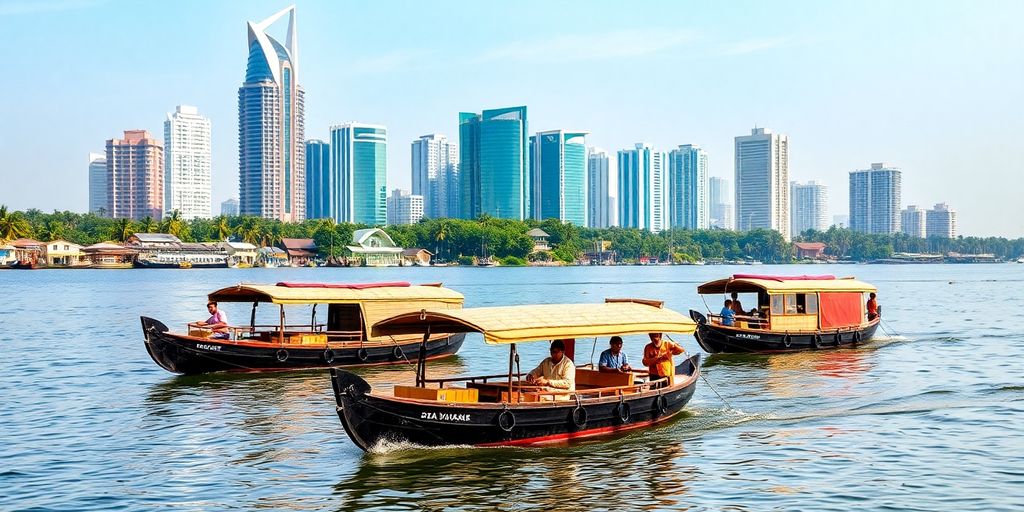
Kochi, often called the "Queen of the Arabian Sea," is making big moves to become a smart city. It’s not just about fancy tech; it’s about making life better for everyone who lives there. Kochi is working to blend its rich history with modern solutions, and it’s pretty interesting to watch.
- Integrated Mobility: Kochi is trying to connect all its transportation options, like buses, water taxis, and the metro. The goal is to make it easier to get around the city.
- Tourism Focus: Recognizing its potential, Kochi is using tech to improve the visitor experience. Think smart kiosks with information and mobile apps for getting around.
- Waste-to-Energy: The city is using waste-to-energy plants to deal with trash and create clean energy. It’s a way to handle waste while also helping the environment.
- Disaster Preparedness: Because Kochi is on the coast, it’s working on early warning systems and flood monitoring to keep people safe.
Kochi is really focusing on using technology to solve everyday problems. It’s not just about having the latest gadgets; it’s about making the city more livable and sustainable for the future. The city is also seeing a rise in flats for sale in Kochi.
7. Jaipur
Jaipur, often called the "Pink City," is working to blend its rich history with modern technology. It’s not just about preserving the forts and palaces; it’s about making the city more efficient and livable for everyone. Jaipur is trying to become a smart city by focusing on its unique heritage and improving the lives of its residents.
Jaipur’s smart city initiatives aim to conserve its historical landmarks.
Here’s a look at some key areas:
- Heritage Preservation: Digital tools are being used for restoration, and smart lighting enhances the beauty of historical sites.
- Smart Parking: Real-time parking info and automated systems are helping to ease congestion.
- E-Governance: Online portals and mobile apps are making government services more accessible.
- Waste Management: A comprehensive system includes waste segregation and efficient collection routes.
Jaipur is really trying to use technology to make life better for its citizens while also protecting its unique cultural identity. It’s a balancing act, but the city seems committed to finding the right solutions.
8. Visakhapatnam
Visakhapatnam, often called Vizag, is making big moves to become a smart city. As the largest coastal city in Andhra Pradesh, it’s already a major port and industrial center. Now, it’s focusing on tech and smart solutions to improve life for its residents. It’s definitely a place to watch!
Visakhapatnam is rapidly growing, thanks to its busy port and industrial activity. The city is investing in infrastructure and tech to become a top-tier smart city.
Here are some reasons why Visakhapatnam is becoming a smart city:
- Intelligent City Command and Control Center (ICCC): Think of the ICCC as the city’s brain. It gathers data from traffic cameras, pollution sensors, and emergency alerts. This allows for real-time monitoring and quick responses to any situation. It helps the city anticipate and handle problems efficiently.
- Smart Water Management System: Water is important, and Visakhapatnam is working to use it wisely. The city’s system uses technology to find leaks and manage water pressure, reducing waste. Residents can even track their water use through mobile apps, promoting conservation.
- Focus on Coastal Management and Disaster Resilience: Being on the coast means Visakhapatnam needs to be ready for disasters. The city is implementing early warning systems for cyclones and tsunamis. They also monitor coastal water quality in real-time.
Visakhapatnam’s commitment to technology and infrastructure makes it an attractive place for businesses and residents. The city’s focus on sustainability and disaster preparedness ensures a high quality of life for everyone.
Here’s a look at property prices in some of the top locations:
| Top Locations in Vizag | Price per sq ft (INR) |
|---|---|
| Madhurwada | 1251-13,840 |
| Sahara City Homes | 2000-10,129 |
| Omex City | 1355-6790 |
| Manorama Ganj | 2277-65,000 |
| Sudama Nagar | 1923-7530 |
Visakhapatnam’s natural harbor has made it a key center for trade and commerce. With government initiatives like ‘Make in India’ and ‘Sagarmala’, Vizag is playing a big role in the nation’s economic growth. The Pendurthi sewerage project is one example of the city’s commitment to improving infrastructure.
9. Indore
Indore, often called "Mini Mumbai," has really stepped up its game. It’s not just about being clean anymore; it’s about using smart tech to make life better for everyone. Indore has consistently been recognized as the cleanest city in India, and now it aims to replicate that success across various aspects of urban living through smart city initiatives.
Cleanliness and Sustainability
Indore’s commitment to cleanliness is well-known. The city has implemented waste management programs and smart sanitation systems to maintain its high standards of hygiene. These initiatives include:
- Waste segregation at source
- Smart bins with fill-level sensors
- Real-time monitoring of waste collection vehicles
Indore’s focus on sustainability extends beyond waste management. The city is also investing in renewable energy projects and creating more green spaces to improve air quality and reduce its carbon footprint.
Smart Mobility
Getting around Indore is getting smarter too. The city is working on making transportation more efficient and sustainable. This includes piloting electric vehicle initiatives and using intelligent traffic management systems to cut down on traffic jams and pollution. The ISCDL plans to improve infrastructure.
Citizen Engagement
Indore knows that keeping residents happy is key. The city actively asks for feedback from people through online platforms and mobile apps. This helps make sure that the smart solutions actually meet their needs and address their concerns. Indore recognizes the importance of citizen participation and actively solicits feedback from residents through online platforms and mobile apps, ensuring smart solutions address their needs and concerns.
Property Prices
Here’s a quick look at property prices in some of Indore’s top areas:
| Top Areas in Indore | Price per sq ft (INR) |
|---|---|
| (Example Area 1) | 1000-2000 |
| (Example Area 2) | 2000-3000 |
| (Example Area 3) | 3000-4000 |
10. Bengaluru
Bengaluru, often called the "Silicon Valley of India," is making big moves to become a top smart city. It’s already a tech hub, and now it’s focusing on using technology to improve city life for everyone. The city is working on better transportation, greener spaces, and more efficient services. It’s a place where innovation meets everyday living, and it’s exciting to see what the future holds.
Bengaluru is leveraging its tech prowess to become a smart city leader.
Here’s what makes Bengaluru a smart city contender:
- Tech-Driven Solutions: The city is implementing intelligent traffic management systems to reduce congestion. They’re also using smart grids for better energy use and digital platforms for citizen services like e-governance and waste management.
- Green Initiatives: Bengaluru is working to maintain its "Garden City" title with environmental monitoring systems for air and water quality. Smart irrigation is being used for parks, and the city is promoting sustainable transportation options like cycling paths and electric vehicle charging stations.
- Startup Support: As a hub for startups, Bengaluru is creating an environment where new tech solutions can thrive. The city’s smart city mission aims to provide startups with the infrastructure and resources they need.
Bengaluru’s focus on technology and innovation makes it a strong contender in the smart city race. The city’s commitment to improving the quality of life for its residents through smart solutions is commendable. With ongoing projects and future plans, Bengaluru is set to become a model for other cities in India.
By 2025, Bengaluru plans to significantly improve its infrastructure. This includes smarter metros, suburban rail, and eco-friendly buses to alleviate traffic congestion.
Final Thoughts on India’s Smart City Journey
So, we’ve looked at India’s top smart cities for 2025. It’s clear these places are really pushing forward, using new ideas to make city life better. They’re not just adding technology; they’re trying to create places where people can live well, with good services and a clean environment. It’s pretty cool to see how much progress is being made. These cities show what’s possible when you focus on making urban areas work for everyone. It will be interesting to see how they keep growing and changing in the years to come.
Frequently Asked Questions
What makes a city ‘smart’?
Smart cities are places that use new ideas and technology to make life better for everyone. They focus on things like good transportation, clean energy, and making sure people are safe and healthy.
What is India’s Smart Cities Mission?
India started the Smart Cities Mission in 2015. The main goal is to pick 100 cities and help them become better, more modern places to live.
How do smart cities use technology?
These cities use things like smart traffic lights to help cars move smoothly, sensors to manage trash, and digital services so people can do things like pay bills online easily.
What are the benefits of living in a smart city?
Living in a smart city means you often have better public services, cleaner air, safer streets, and more chances for jobs and learning.
Why is Bhubaneswar considered a smart city?
Bhubaneswar is special because it mixes old history with new technology. It has ancient temples but also uses smart systems for traffic and city management.
Do smart cities care about the environment?
Many of these cities are working on using less energy, recycling more, and protecting nature. This helps make the city healthier and better for the planet in the long run.


