

innovation, Interviews, resources
The Role Of Artificial Intelligence And Machine Learning In Fashtech Evolution
17 Jan 2024

With the integration of Artificial Intelligence (AI) and Machine Learning (ML), fashtech is not just about stylish wearables but a revolution that is reshaping the entire fashion ecosystem. Anton Jefcoate, Chief Technology Officer of Lyst, a global fashion shopping app, one of the most-downloaded premium fashion shopping apps on iOS globally, explains the evolving face of FashTech in a recent interview with Dinis Guarda.
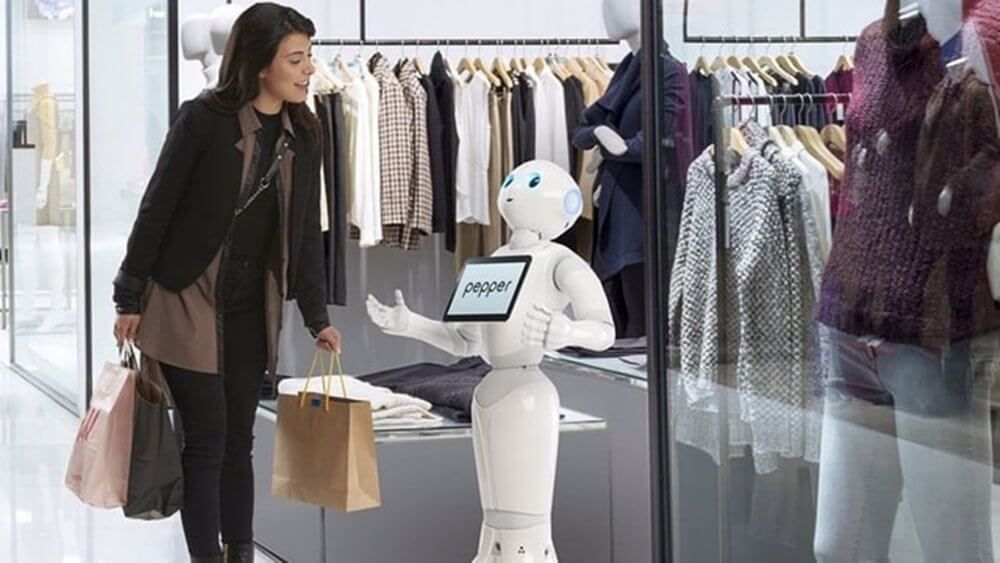
AI and ML are revolutionising the fashion landscape in multiple ways. From personalised shopping experiences to predictive trend analysis, these technologies are at the forefront of shaping the future of fashion.
The fusion of AI and ML is propelling fashtech beyond conventional limits, ushering in an era where innovation and style converge to redefine the future of fashion. Lyst is a shopping app and fashion technology platform that provides customers with targeted and personalised shopping experiences using its proprietary data engine.
“Lyst has a long history of Machine Learning”, Anton tells Dinis. “We have applied a lot of Machine Learning across the products since 2013 to solve the problem of such a large catalogue.”
The personalised shopping experience
AI algorithms analyse consumer preferences, purchase history, and browsing behavior to offer personalised recommendations. Whether it’s suggesting outfits or accessories, AI ensures a tailor-made shopping experience, enhancing customer satisfaction and loyalty.
“We have also invested quite a bit of time and money to use an open source AI based on Large Language Models to interpret fashion attributes and build a view from these for better customer interaction and personalisation experience”, says Anton.
ML algorithms analyse vast amounts of data from social media, fashion shows, and online platforms to predict upcoming trends. This not only helps designers stay ahead but also allows retailers to stock their shelves with the latest and most in-demand styles.
“It’s really about offering the choice to the customer and leveraging the catalogue to allow our customers to make informed choices about the type of fashion that they want to purchase”, he adds. He also explains Lyst Index that tracks the popularity of fashion brands and products based on online searches and sales data.
Virtual try-ons for a sustainable fashion: The next iteration of FashTech
Fashtech leverages AI to enable virtual try-ons, allowing customers to visualize how an outfit will look on them without physically trying it. This immersive experience enhances online shopping, reducing returns and increasing overall customer confidence.
“As technology becomes more and more robust, something like virtual fitting rooms will revolutionize the industry”, Anton says. He believes that this trend could be instrumental in promoting sustainable practices in the fashion industry.
“It may contribute to less diesel spent on deliveries for returns and production of clothes that are not needed anymore”, he says. From optimising supply chain management to reducing waste through predictive modeling, technology is fostering eco-friendly approaches in fashtech.
Challenges and opportunities in the integration of AI and ML in fashion
The integration of Artificial Intelligence (AI) and Machine Learning (ML) in fashtech presents a myriad of benefits but is not without challenges. Key areas demanding careful consideration include ethical AI decision-making, addressing biases, promoting transparency, and ensuring fairness.
The growing awareness about the environmental impact of the fashion industry necessitates a delicate balance between technological innovation and sustainable practices. In the realm of data security, as fashtech heavily relies on user data, robust cybersecurity measures are essential to build and maintain customer trust.


