


The Lifelong Learner’s Guide: How to Become a Better Reader
deep reading, reading comprehension, how to read better, active reading, literary engagement, reading retention, mindful reading, slow reading movement, reading habits, intellectual growth, reading for meaning, critical reading, book lover tips
13 Jun 2025

The Geography of Good Reading
Reading well isn't simply about speed or comprehension in the mechanical sense. It's about developing what I like to call "reading presence"—that quality of attention that allows you to meet an author halfway, to engage in genuine dialogue with ideas rather than passive consumption of words.
The foundation of better reading begins with understanding your own reading landscape. Notice how you feel when you approach a book. Are you anxious, rushing to finish? Distracted by the weight of your to-read pile? Or perhaps carrying guilt about books abandoned halfway through? These emotions shape your reading experience more than you might realise.
Consider this: every book you encounter is an author's attempt to share something they deemed worth preserving. When you approach reading with this reverence—not intimidation, but gentle respect—you create space for genuine connection.
Cultivating the Reader's Garden
The path to becoming a better reader mirrors the tending of a garden. It requires patience, consistency, and the wisdom to know that growth happens in seasons, not moments.
Choose Your Companions Wisely
Just as you wouldn't plant roses in poor soil, don't force yourself through books that leave you cold simply because you feel you ought to read them. Whilst challenging yourself is important, punishment disguised as literature serves no one. Trust your instincts about what calls to you, even if it means setting aside that acclaimed novel everyone raves about.
Start with books that make you feel something—joy, curiosity, even productive discomfort. These emotional connections create the neural pathways that make future reading richer and more intuitive.
The Ritual of Beginning
Transform reading from a task into a practice. This needn't be elaborate—perhaps it's brewing a proper cup of tea, finding your favourite corner, or simply taking three deep breaths before opening a book. These small rituals signal to your mind that something worthy of attention is about to begin.
The Art of Slowing Down
In our hurried world, we've forgotten that reading is one of the few activities that improves with deceleration. When you encounter a particularly beautiful passage, pause. Reread it. Let it settle in your mind like sediment in still water. The best readers aren't necessarily the fastest; they're the ones who know when to linger.
The Practice of Deep Engagement
Better reading isn't a destination but a practice, and like all practices, it develops through intentional repetition.
Conversation with the Page
Consider keeping a reading journal—not for book reports or literary analysis, but for genuine reflection. Write about how a passage made you feel, what it reminded you of, or how it challenged your thinking. This practice transforms reading from a solitary act into an ongoing conversation between you, the author, and your own evolving understanding.
The Questions That Matter
As you read, ask yourself not just "What is happening?" but "Why might this matter to me?" and "How does this connect to what I already know or believe?" These questions don't require answers—they require engagement. They turn reading into a form of active meditation.
Embracing the Difficult
When you encounter challenging passages, resist the urge to skip ahead. Instead, sit with the difficulty. Sometimes the struggle to understand is where the real growth happens. Don't be discouraged if you need to reread paragraphs or look up unfamiliar words. This isn't evidence of inadequacy; it's evidence of engagement.
The Expanding Circle
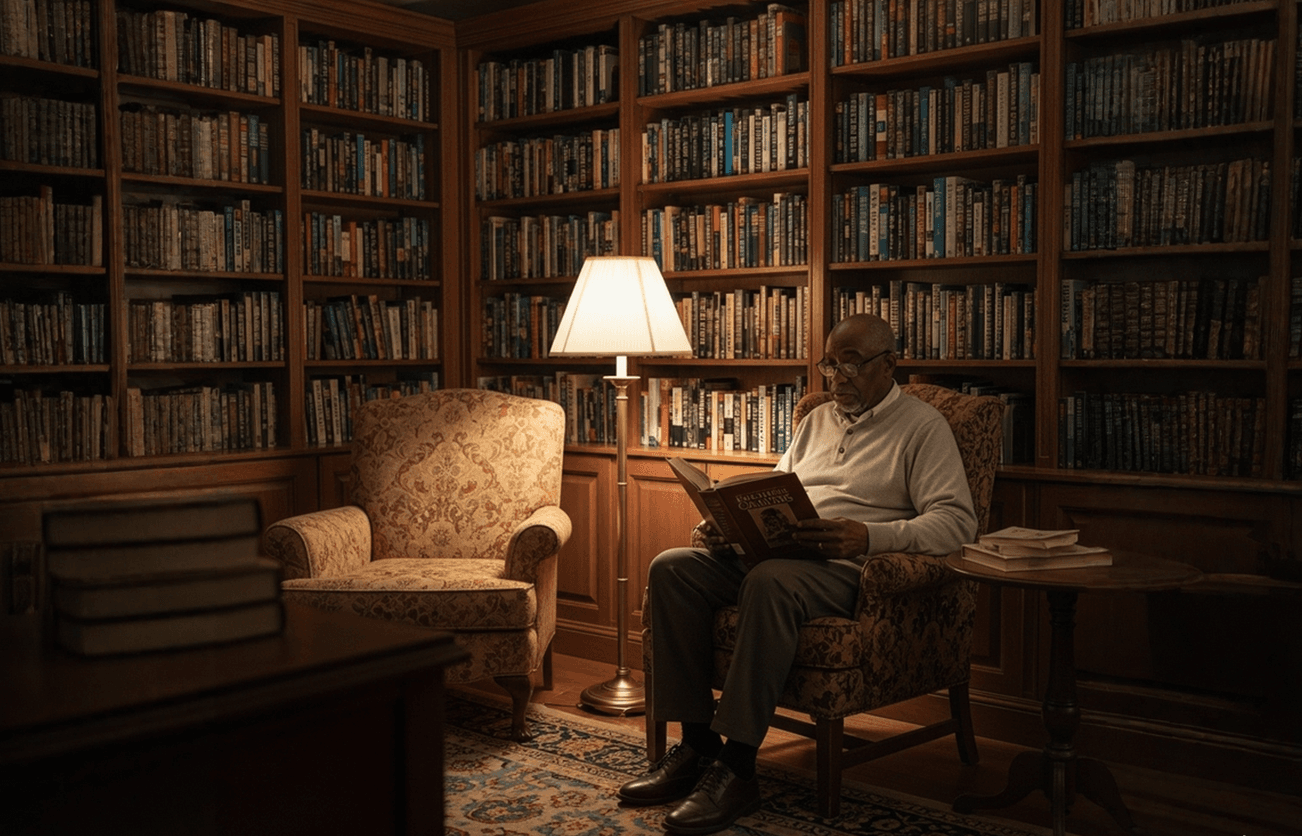
As your reading deepens, you'll notice something remarkable happening. Books begin to speak to each other across your shelves. A novel illuminates a poem, a memoir sheds light on a historical text, an essay reshapes your understanding of a favourite childhood story. This is the reader's greatest reward—the gradual construction of a personal literary universe where every new book adds depth to everything you've read before.
The Courage to Continue
There will be days when reading feels impossible, when your attention scatters like leaves in wind. This is natural. The invitation is not to abandon the practice but to approach it with compassion. Sometimes the most profound act of reading is simply picking up a book when you don't feel like it and reading just one page.
Remember that becoming a better reader isn't about impressing others or keeping pace with some imaginary standard. It's about developing a relationship with ideas, stories, and language that enriches your inner life. It's about creating space for wonder, for the kind of slow thinking that seems increasingly rare in our accelerated world.
A Promise to Yourself
Every time you open a book with genuine attention, you're making a quiet promise to yourself—a promise to remain curious, to stay open to change, to honour the part of you that hungers for meaning and beauty. This is perhaps the most radical act of our distracted age: choosing to read deeply, slowly, purposefully.
The path to better reading isn't complicated, but it does require commitment—not to finishing every book you start, not to reading a certain number of pages per day, but to showing up consistently with an open heart and an attentive mind.
Your future self—the one who can find solace in literature, who thinks more clearly because of conversations with long-dead authors, who sees the world with eyes sharpened by good books—is waiting for you to begin. The only question is: will you turn the page?


