

Fashion Industry, resources
Slowing the Pace of Fast Fashion
20 Jan 2025

While the roots of sustainable fashion can be traced back to the hippie and punk movements of the 1960s and 1970s, the turn of the millennium was its renaissance, precipitated by a renewed awareness of environmental and socioeconomic issues.
Fast fashion has been the key antagonist, criticised for effects both on the planet and the people involved in manufacturing cheap, poor-quality garments, often at a cost to their health and livelihood. As these brands continue to gain popularity, can anything be done to slow fast fashion down?
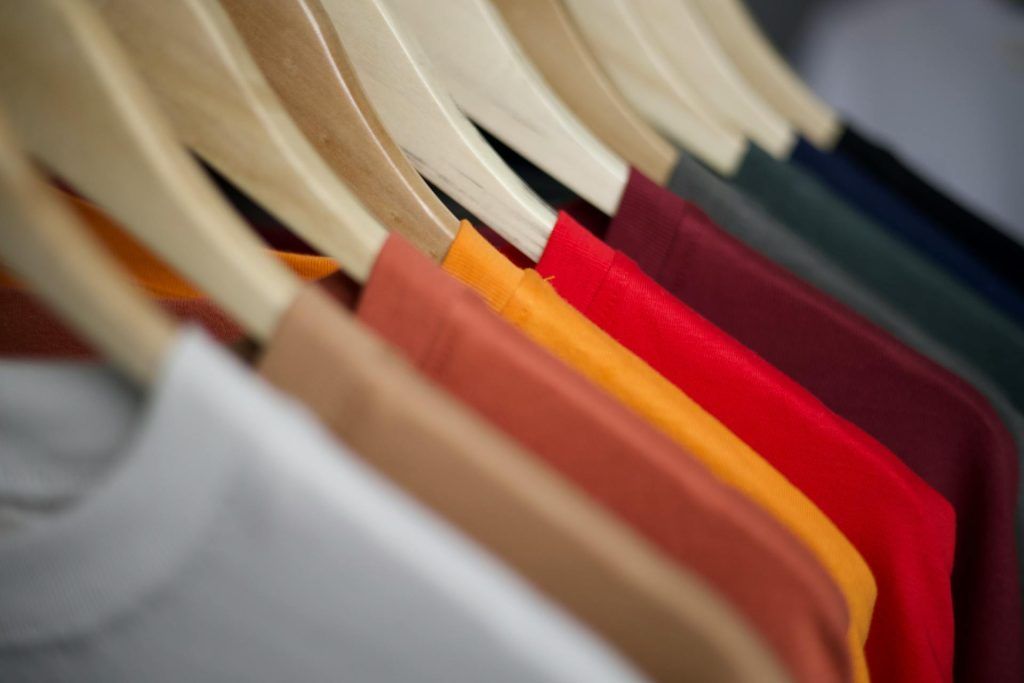
Slowing the Pace of Fast Fashion
What Brands Are Doing to Help
In recent years, many fashion brands have taken steps to implement greener practices, including Grey State Apparel, whose sustainability model stems from the United Nation’s own series of goals designed to address seventeen of the most pressing environmental and humanitarian issues.
Awareness of these issues arose largely due to the COVID-19 pandemic. While e-commerce was boosted due to lockdowns, conversely it was also a time for reflection. In response, consumer behavior shifted towards a desire to live (and dress) more sustainably.
Threadbare Values
An unfortunate side effect of this is greenwashing: brands leveraging eco-friendly language to garner customers, while failing to make good on their promises. One of the key criticisms of fast fashion relates not only to these flimsy policies, but also the insubstantiality of the clothes produced.
Fast fashion is notoriously poor quality, often made using unsustainable materials in factories that pollute the environment, by underpaid, overworked staff who continue to face abuses ranging from unsafe working conditions to gender-based harassment. So why is it still popular?
Are Consumers to Blame?
Despite the rise of conscious consumerism, many continue to buy fast fashion, often on the basis that sustainable clothing is more expensive. Elsewhere, consumers may feel unable to connect with the plight of garment workers outside of their own cultural experience, either through lack of awareness or simply opting to remain ignorant.
The reasons for fast fashion’s continued success are complex, although two major drivers stand out: namely money and status. Low-income consumers are often blamed for resorting to fast fashion, yet this ignores the major role influencers and major brands have in promoting a culture of excess and over-consumption.
Dressed to Excess
Historically, fashion has been associated with the latter, with practices like “outfit repeating” shunned in favor of wearing the latest, newest clothes. With newer, tech-based brands now profiting from the rapidly-cycling “core” trends, influencers continue to promote aspirational excess in the form of hauls.
This same ethos continues to propel fast fashion, where problems like overproduction signify a continued drive to place profit and productivity over people and the environment, with statistics suggesting that up to 40% of garments made each year go unsold.
A Collective Effort
The blanket advice “shop more sustainably” is not dissimilar to the suggestion that consumer habits are solely to blame for the climate crisis – all while sidestepping the influence of larger, more powerful organizations involved in promoting fast fashion culture.
Change is as much about individual actions as it is about green policies implemented at scale, such as changes to legislation like the Fabric Act (which seeks to eliminate piece-rate pay in the US), or policies geared towards eliminating the use of fossil fuel-based textiles and calling for accountability and transparency from fashion brands.


