resources
Unpacking New York Cities by Population: A 2025 Deep Dive
20 Jul 2025

Ever wonder what makes New York Cities tick? With 2025 just around the corner, these cities are changing fast. From population booms to tech innovations, there’s a lot going on. This guide dives into what’s shaping these urban hubs, why people are flocking to them, and the challenges they’re facing. Whether it’s the pull of better jobs, the influence of immigration, or the push for greener spaces, there’s plenty to unpack about new york cities by population.
Key Takeaways
- New York Cities are seeing rapid growth, driven by people moving there and new job opportunities.
- Things like old industries and new people arriving have really shaped how these cities look and feel.
- Population patterns are different depending on the area, with suburbs growing quite a bit.
- New technology, like smart city ideas, is changing how people live in cities.
- Environmental issues, including climate change, mean we need to find good, lasting solutions.
Understanding Population Growth in New York Cities
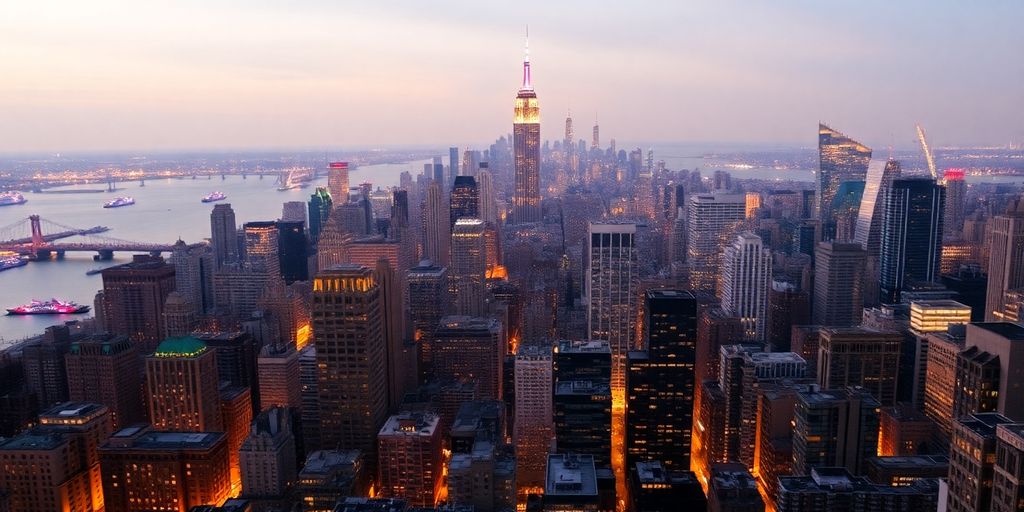
Factors Driving Urban Expansion
So, what’s making New York cities grow? Well, a big part of it is jobs. Cities tend to have more diverse and better-paying job markets than smaller towns or rural areas. People move to where the opportunities are, plain and simple. Plus, many cities are home to top-notch universities and institutions, drawing in students and professionals alike. And let’s not forget the lifestyle – the cultural scene, entertainment, and just the general vibe of city life are a draw for many. These factors all contribute to urban expansion.
The Role of Migration in City Growth
Migration is a HUGE deal when it comes to city populations. Both people moving from other states and folks coming from other countries have a big impact. When people move to cities for work or a better life, it changes the whole makeup of the city. It’s not just about numbers; it’s about different cultures mixing and shaping the cultural fabric of the city.
Historical Influences on Urban Development
Cities weren’t built in a day, right? Things like industrialization, immigration waves, and even big construction projects from the past have all played a part in how cities look and function today. These historical events have shaped neighborhoods, infrastructure, and the overall character of New York cities.
Think about it: the layout of some streets, the types of buildings you see, and even the names of neighborhoods often have roots in the past. Understanding this history helps us understand why cities are the way they are now, and how they might change in the future.
Demographic Shifts Shaping New York Cities by Population
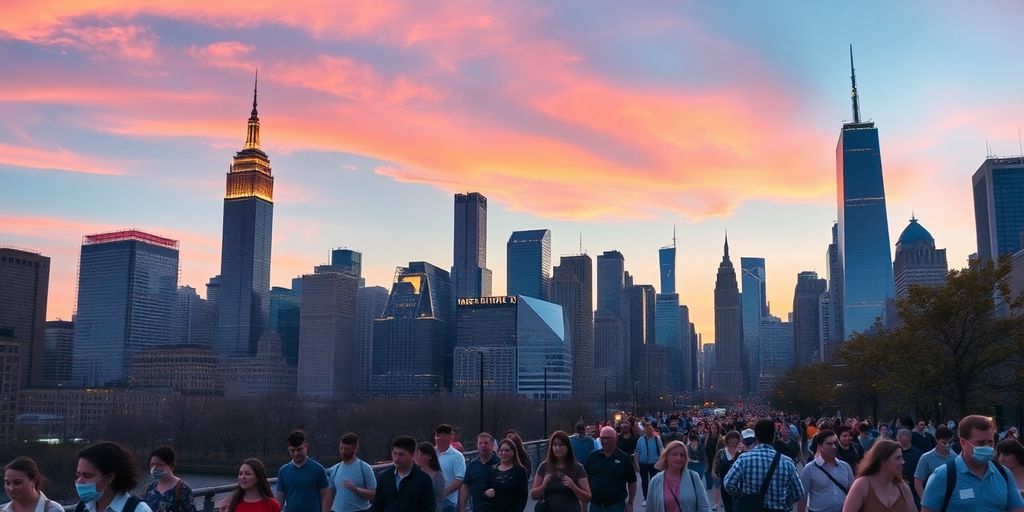
The Growth of Younger Generations in Cities
Younger people, especially millennials and Gen Z, are a big reason why city populations are growing. Their choices are changing cities in a few important ways:
- They really want affordable housing and places where they can live with roommates.
- They like using public transportation and ways to get around that don’t hurt the environment.
- They want things like shared workspaces, fun places to go, and parks in the city.
The increasing number of young people in cities means we need to think about what they want and need to make sure cities are good places for them to live.
Impact of Diverse International Populations
New York cities have always been known for their diversity, and that’s not changing. More and more people from different countries are moving to these cities, bringing different cultures, languages, and traditions. This makes city life more interesting, but it also means we need to work on helping everyone fit in. Some important things to think about:
- We need to have rules that encourage everyone to be included and have the same chances.
- It’s important to support schools and services that teach multiple languages so people can communicate better.
- Celebrating different cultures with festivals and events can help people connect with each other.
The growing diversity in cities is a reminder of the unique role urban areas play in shaping the cultural fabric of the nation.
Changing Household Structures and Urban Living
The way people live is changing, and that’s affecting cities too. More people are living alone, and families are getting smaller. This means cities need to think about different types of housing and services. For example:
- There’s a bigger need for smaller apartments and shared living spaces.
- More older adults are living in cities, so we need to make sure they have the healthcare and housing they need.
- We need to change zoning rules to allow for different types of businesses and housing in the same urban areas.
Here’s a look at how household sizes have changed:
| Year | Average Household Size |
|---|---|
| 2000 | 2.59 |
| 2010 | 2.58 |
| 2020 | 2.53 |
| 2025 | 2.49 (Projected) |
Economic Trends Influencing New York Cities
The Role of Tech Hubs in Urban Growth
Tech hubs are really important for how cities grow. They bring new ideas, attract smart people, and help the local economy. Think about places like New York City; the tech industry has made a big difference. This has changed not just the economy, but also things like housing and infrastructure.
Job Market Dynamics and Population Movement
The job market is always changing, and this affects where people decide to live. Some cities are doing well in areas like healthcare, tech, and finance. Others are having a harder time keeping up. For example, cities with diverse economies are seeing rapid job growth. Remote work is also changing things, with more people choosing to live in the suburbs or smaller towns.
- Job growth in healthcare is expected to continue.
- Tech companies are expanding in certain cities.
- Remote work is influencing residential choices.
Cost of Living and Its Impact on Residency
The cost of living is a big deal when people decide where to live. If it’s too expensive, people might move somewhere cheaper. This can affect the population of a city. Cities need to think about how to make housing more affordable so they can keep and attract residents. The 2025 Happy City Index takes into account factors like the economy, health, and mobility.
High costs of living can push people out of cities, leading to population decline. Cities need to find ways to balance economic growth with affordability to maintain a stable population.
Comparing Population Trends Across Major US Cities
Regional Differences in Growth Patterns
Population growth isn’t the same everywhere in the U.S. Some regions are booming, while others are seeing slower growth or even shrinking. This difference often comes down to things like jobs, weather, and how much it costs to live there. For example, cities in the South and West are growing fast, while some cities in the Northeast and Midwest are struggling.
The Rise of Suburban Areas
More and more people are moving from city centers to the suburbs. They’re looking for bigger houses, better schools, and more space. This trend is changing how cities grow, with suburbs often growing faster than the city itself. Here are some reasons why:
- More affordable housing options.
- Perceived better school districts.
- Larger properties and more green space.
Inter-City Migration and Its Effects
People moving between cities also has a big impact. Some cities attract people with job opportunities, while others lose residents to places with a lower cost of living. This movement can change the demographics of a city and affect its economy. For example, Vintage 2024 data shows how migration patterns have shifted over the past few years.
Inter-city migration is a complex dance of opportunity and necessity. People chase jobs, affordable housing, and a better quality of life, reshaping the urban landscape with every move.
Challenges and Opportunities for New York Cities by Population
Addressing Housing Affordability
Okay, so housing in New York? It’s no secret it’s crazy expensive. As more people flock to the city, finding a place to live that doesn’t cost an arm and a leg becomes a huge challenge. The demand far outstrips the supply, driving up prices and making it tough for many to afford decent housing. We need to think outside the box here.
- Incentivize developers to build more affordable units.
- Explore rent control or stabilization policies.
- Invest in community land trusts.
It’s not just about building more; it’s about building smart and ensuring that housing is accessible to everyone, regardless of their income.
Infrastructure Demands of Growing Populations
More people means more strain on everything – roads, public transport, water, electricity, you name it. Our infrastructure needs a serious upgrade to keep up. Think about the subway during rush hour – packed like sardines! We need to invest in better systems to handle the increased load. For example, the fastest-growing cities in the United States are investing in infrastructure to keep up with the population growth.
- Modernize public transportation systems.
- Upgrade water and sewage infrastructure.
- Invest in renewable energy sources.
Sustainable Urban Planning for Future Growth
We can’t just keep building without thinking about the environment. Sustainable urban planning is key to making sure New York remains a great place to live for generations to come. This means designing cities that are eco-friendly, reduce carbon emissions, and promote green spaces. It’s about creating a balance between growth and environmental responsibility. We need to consider the impact of our actions on the planet.
Here’s a quick look at some key areas:
| Area | Focus |
|---|---|
| Transportation | Electric buses, bike lanes |
| Energy | Renewable sources, energy-efficient buildings |
| Waste Management | Recycling programs, waste reduction initiatives |
It’s a big task, but it’s essential for population growth and the future of our cities.
The Future Landscape of New York Cities by Population
It’s 2025, and New York cities are constantly changing. Let’s look ahead to see what the future might hold for these urban centers, considering population shifts and technological advancements. Understanding these trends is key to preparing for the challenges and opportunities that lie ahead.
Projections for 2025 and Beyond
Predicting the future is tough, but we can make informed guesses based on current trends. Population growth forecast from 2025 to 2035 suggests some cities will boom while others might face stagnation or even decline. These projections consider factors like job growth, cost of living, and migration patterns. It’s not just about the numbers, though; it’s about understanding what those numbers mean for the people who live in these cities.
Technological Innovations in Urban Living
Technology is already changing how we live in cities, and that’s only going to accelerate. Think about smart city initiatives, like sensors that monitor traffic flow or energy usage. Or new transportation options, like electric scooters and autonomous vehicles. These innovations could make cities more efficient, sustainable, and livable. But they also raise questions about privacy, equity, and the digital divide. How do we make sure everyone benefits from these advancements, not just a select few?
Policy Implications for Population Management
As populations shift and cities evolve, policymakers face tough decisions. How do we address housing shortages? How do we invest in infrastructure to support growing populations? How do we create sustainable communities that are resilient to climate change? These are complex challenges that require innovative solutions. Revising commercial zoning to adapt to changes in retail and office space demand is one of the key strategies.
One thing is clear: the future of New York cities depends on our ability to plan for growth, adapt to change, and create inclusive communities where everyone has the opportunity to thrive. It’s not just about managing population; it’s about building a better future for all.
Wrapping Things Up
So, looking at how the biggest U.S. cities are changing for 2025 really gives us a lot to think about. Cities are always moving and shaking, and the numbers show us how people are living, growing, and just getting by. Whether folks are moving for work, family, or just a fresh start, these changes tell a story about what people care about and what they need. As we keep watching these trends, it’s pretty clear that cities will keep changing, shaping how we all live and work in the years ahead.
Frequently Asked Questions
What causes cities in the U.S. to grow so quickly?
Cities grow fast because of things like people moving there for jobs, better living conditions, or education. Sometimes, new industries or tech companies also bring in more people.
How has history shaped the biggest cities in the U.S.?
Over time, events like industrialization, immigration, and major construction projects have helped cities grow and change into what they are today.
How does the cost of living affect city populations?
The cost of living, especially housing prices, can make it hard for some people to live in big cities. This can slow down population growth if people can’t afford to move there.
Why are suburban areas growing faster than some city centers?
Suburbs are growing because they often offer more affordable homes, bigger yards, and good schools, which attract families and people looking for more space.
What are cities doing to handle population growth?
Cities are trying to build more affordable homes, improve public transportation, and plan for growth in a way that doesn’t harm the environment. They’re also using new technologies to make urban living better.
What makes New York City a popular place to live?
New York City is known for its diverse population, strong job market, and vibrant culture. Many people are drawn to the city for its opportunities and unique lifestyle.


