

business resources
How Business Can Reduce Energy Costs and Carbon Footprint?
Writer
11 Jul 2024

Reducing energy costs and carbon footprints has become a paramount concern for businesses aiming to contribute to environmental sustainability while improving their bottom line. With energy prices constantly fluctuating and increasing regulatory pressures, companies seek innovative solutions to minimize their energy consumption and reduce greenhouse gas emissions.
This guide aims to provide businesses with practical strategies and insights on achieving significant energy savings and lowering their carbon footprints, ultimately leading to a more sustainable and cost-effective operation.
Upgrade to LED Lighting
Switching to LED lighting is one of the most cost-effective ways businesses can reduce energy consumption. Unlike traditional incandescent bulbs, LEDs consume significantly less power and have a longer lifespan, leading to fewer replacements and lower maintenance costs. Additionally, LEDs provide better quality light, which can enhance the productivity and well-being of employees.
Investing in motion sensors and automated lighting systems can further optimize energy usage. These systems ensure that lights are only on when needed, reducing unnecessary energy consumption. For businesses with significant lighting needs, such as warehouses or office buildings, the energy savings from these upgrades can be substantial, leading to noticeable reductions in overall energy costs.
Invest in Renewable Energy Sources
Adopting renewable energy sources, such as solar panels or wind turbines, can substantially reduce a business's carbon footprint. Although the initial investment may be significant, the long-term benefits include lower energy costs and potential tax incentives or rebates. Many governments offer financial incentives for businesses that invest in renewable energy, making it a more attractive option.
Installing solar panels on rooftops or unused land can provide a reliable source of clean energy. As the folks behind the Sungain Solar's commercial solar installation services note, when it comes to solar panels, quality matters. Not just the build quality of the product, but several other aspects. You should be considering performance quality, warranties, customer service, and after-sales service, among other things.
Optimize Heating, Ventilation, and Air Conditioning (HVAC) Systems
Regular maintenance and upgrades to HVAC systems are crucial for reducing energy consumption and improving efficiency. Businesses should consider investing in energy-efficient HVAC units that consume less power while providing optimal climate control. Smart thermostats and automated climate control systems can further enhance these efficiencies by adjusting the temperature based on occupancy and time of day. Regularly replacing filters, cleaning ducts, and ensuring that the system is free of obstructions can also contribute to a more efficient operation, thereby reducing overall energy costs.
Another effective strategy is to insulate buildings properly to maintain desired temperatures with less energy usage. High-quality insulation in walls, roofs, and floors can prevent heat loss in the winter and keep interiors cool in the summer. Double-glazed windows and energy-efficient doors also play a significant role in maintaining indoor temperatures. By creating a well-insulated environment, businesses can reduce the workload on their HVAC systems, ultimately saving energy and lowering their carbon footprint. Implementing these measures not only helps in cost reduction but also contributes to a more comfortable and productive workplace environment.
Enhance Building Insulation
Improving insulation in commercial buildings can dramatically reduce heating and cooling costs. Proper insulation prevents heat loss during the winter and keeps cool air inside during the summer, reducing the need for constant HVAC operation. Key areas to insulate include walls, roofs, and windows, with options such as double-glazed windows providing enhanced thermal efficiency.
Sealing gaps and adding weather stripping to doors and windows can also improve insulation. These simple measures can prevent drafts and maintain consistent indoor temperatures, leading to energy savings. For older buildings, retrofitting with modern insulation materials can be a worthy investment, offering long-term cost reductions and improved energy efficiency.
Promote Energy Conservation Practices Among Employees
Encouraging employees to adopt energy-saving habits can make a significant difference in a company’s overall energy consumption. Simple actions such as turning off lights and equipment when not in use, using power-saving settings on computers, and being mindful of energy waste can collectively lead to substantial energy savings.
Providing training and resources on energy conservation can empower employees to take responsibility for reducing their energy use. Companies can also create incentive programs to reward energy-efficient behaviors, fostering a culture of sustainability within the workplace. By involving all staff members in energy conservation efforts, businesses can achieve greater energy efficiency and promote environmental stewardship.
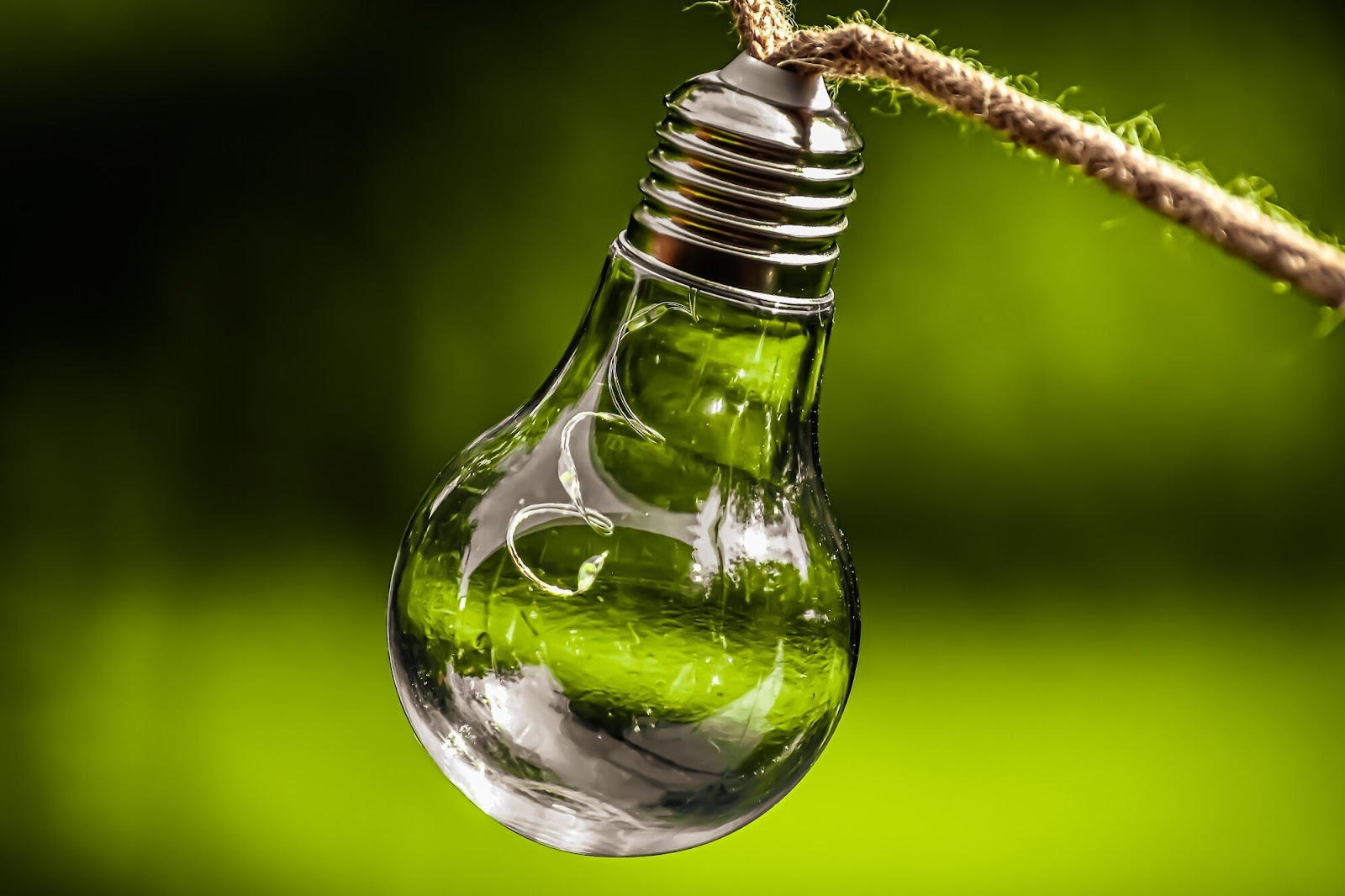
Image Source: https://pixabay.com/photos/light-bulb-energy-nature-5259340/
Reducing energy costs and carbon footprints is not only a necessity for modern businesses aiming to comply with regulations and reduce expenses but also a critical step toward environmental sustainability. By adopting strategies such as upgrading to LED lighting, investing in renewable energy sources, optimizing HVAC systems, enhancing building insulation, and promoting energy conservation practices among employees, companies can achieve significant energy savings and reduce their greenhouse gas emissions.


