

Fashion Industry, Fashion Sustainability, resources
Future Is With Decelerated Fashion; We Need To Stop Polluting

Future Is With Decelerated Fashion; We Need To Stop Polluting
Society is changing and so should the so-called “fast fashion” currently occurring; which according t0 environmentalists and fashion experts needs a complete rebut as they are the main catalyst for 10 percent of the current global pollution.
The fast-fashion model – is incredibly unethical: focusing on fast manufacturing in non-fairtrade working conditions, focusing more on wants than need when comes to consumption, and of course, short-lived garment use which is fuelling environmental destruction and must be, argues Kirsi Niinimäki, a professor of design at Finland’s Aalto University, in the journal Nature Reviews Earth & Environment.
The fashion industry, the second-largest industrial polluter after aviation, must improve the long-term sustainability of its supply chain, Professor Niinimäki and colleagues wrote.
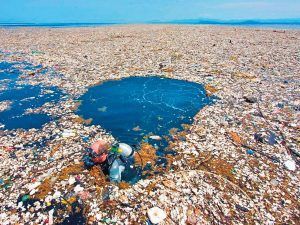
Its crimes against a greener planet include environmental harm, with negative impacts along the entire supply chain from production to consumption, water use, chemical pollution, textile waste, and carbon emissions.
Fashion produces more than 92 million tonnes of waste and consumes 1.5 trillion tonnes of water per year, with developing countries often bearing the burden.
These impacts highlight the need for substantial changes in the industry, including deceleration of manufacturing and introduction of sustainable practices throughout the supply chain, the authors argue.
This environmental devastation continues despite growing awareness of climate change and increasing demand for sustainably produced garments, with fast fashion a major culprit.
“Slow fashion is the future”, Professor Niinimäki and colleagues wrote.
“We need a new system-wide understanding of how to transition towards this model, requiring creativity and collaboration between designers and manufacturers, various stakeholders, and end consumers.”
Consumers have a key role to play, the authors say, and must alter their consumption habits and take a hip-pocket hit by paying higher prices for ethical and sustainable products.
Fast fashion in Australia
By 2030, it is estimated the fashion industry will consume resources equivalent to two Earths, with the demand for clothing forecast to increase by 63 per cent.
In Australia, 6000 kilograms of cheap, disposable and mass-produced ‘fast fashion’ items are dumped in landfill every 10 minutes.
Residual fashion waste in Australia averages 2.25 million tonnes per year.
The solution is for consumers to return their old clothes directly to big fashion chains – rather than inundating op-shops and charity stores with clothing nobody wants – University of Technology Sydney fashion and textiles researcher Dr Mark Liu wrote .
Some fashion chains such as H&M, Uniqlo and Zara have already introduced collection boxes for old clothes in their stores, with H&M promising to donate three cents for every kilogram of returned clothing to recycling research.
At August’s G7 summit, French president Emmanuel Macron announced a fashion industry pact with 150 brands promising to reduce environmental impact.
“It is time to make corporations pay for their waste, fund research and change their business models,” Dr Liu said. “If they continue to disregard their environmental responsibilities, citizens have the power to bury their stores in their waste. We can return our old clothes to fast fashion companies and change the industry, one garment at a time.”
Read More:


