


business resources
6 Reasons Office Design Details Matter More Than Expected
20 Jun 2025

The design of a workplace isn’t just about function—it’s about experience. Every element, from the height of a desk to the hue of the walls, plays a role in shaping how people interact, perform, and feel within a space. Offices aren’t static—they reflect the intentions and values of those who occupy them. The difference between a space that simply houses employees and one that inspires them often comes down to small decisions. These design choices may seem minor, but they accumulate into something far more powerful: a mood, an energy, a culture.
Modern workspaces are being reconsidered, not for novelty, but for purpose. It's not about gimmicks or trends, but about aligning physical environments with clear priorities—well-being, clarity, comfort, and focus. The details do the heavy lifting. Subtlety in design can speak louder than grand statements, and in an office, every detail matters more than it might initially appear.
Style Leaves a Lasting Impression
Elegance doesn't come from extravagance—it comes from intention. The way a space is styled can suggest sophistication, confidence, and clarity without a single word being spoken. Materials, lighting, and layout all send signals to clients, employees, and visitors about what kind of work happens here and who is behind it. A thoughtfully chosen antique light fixture or a streamlined modern table can elevate an otherwise ordinary corner into a statement. Midway through curating a workspace, many designers look for timeless pieces that merge aesthetics with durability. When trying to inject a space with character, many shop antique brass look accents for their warm finish and refined edge. The effect isn’t loud; it’s quiet confidence. These kinds of choices tell a story, subtly encouraging a sense of calm focus. When a room looks like it’s been built with care, people tend to treat it with care, too.
Lighting Does More Than Illuminate
Natural light may steal most of the attention, but artificial lighting makes the deeper impact. It defines tone, affects energy levels, and influences how people engage with a space. Soft, warm lighting can create calm, while sharper white lighting drives alertness and clarity. Poor lighting doesn’t just hinder productivity—it shapes perceptions. A dim, yellowed room can feel neglected; a bright, even-toned space can feel purposeful and maintained.
The positioning and layering of light also change how textures and materials are perceived. Shadows falling in the right places can accent architectural features or create quiet moments in busier areas. Smart lighting design considers rhythm and mood throughout the day, offering brightness when needed and calm when it's time to slow down. It’s not just about seeing—it’s about feeling seen.
Sound Matters More Than You Think
Office acoustics rarely make the top of a design brief, but they should. The wrong materials and layouts can turn every conversation into a distraction. Echoes, clatters, and background murmurings don’t just interrupt—they fatigue. When the brain has to constantly filter sound to stay on task, it burns energy quickly. A good design reduces that invisible strain.
Quiet doesn’t mean silence. It means control. Acoustic panels, textured surfaces, rugs, curtains, and thoughtful space planning help manage the flow and absorption of sound. Even the placement of furniture can shift how sound moves through a room. When the design respects people’s ears, it respects their ability to focus, think, and contribute without added friction.
Layout Drives Interaction
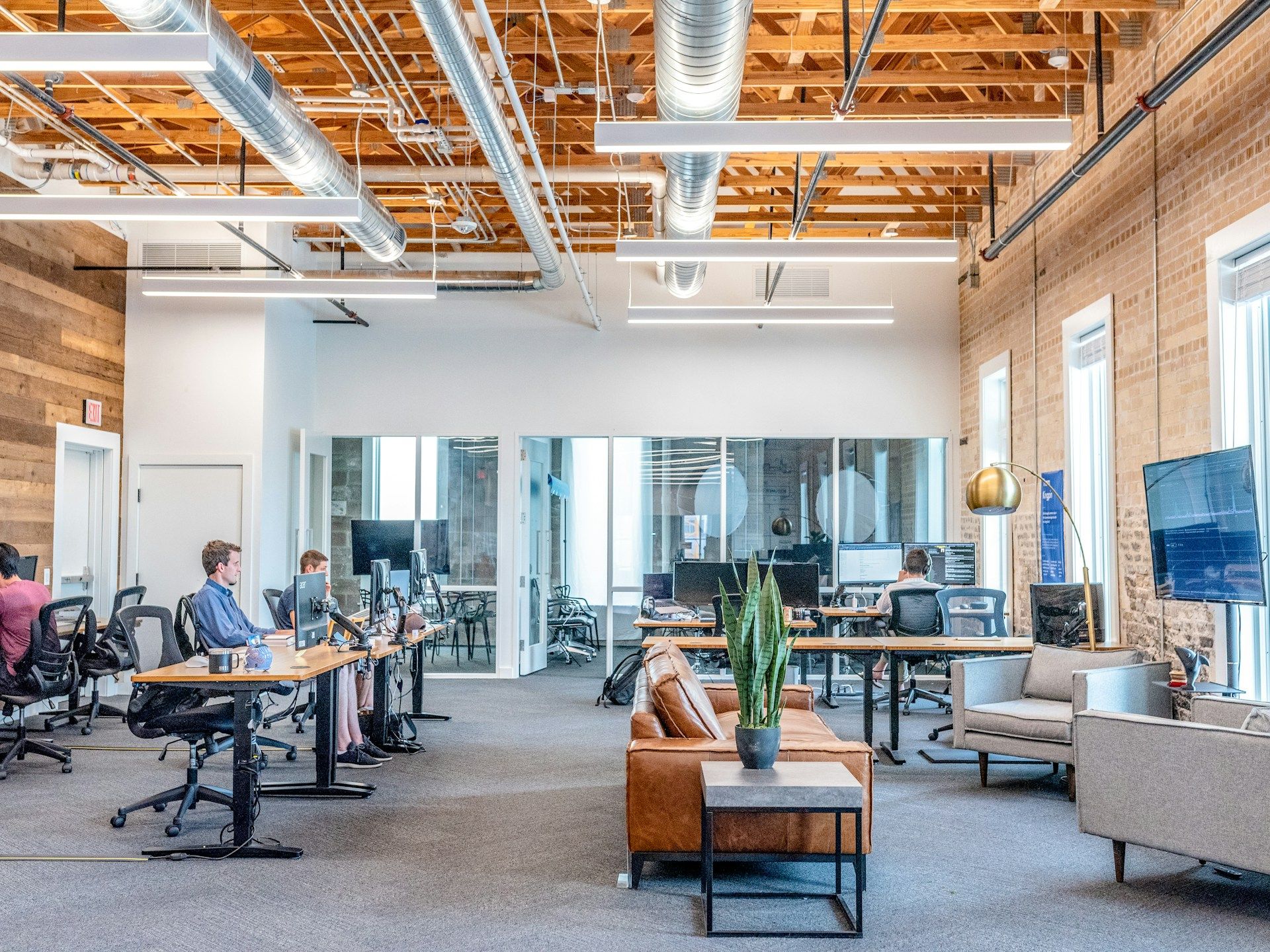
The placement of desks, meeting areas, walkways, and shared spaces says a lot about a company’s values. Open floor plans might suggest transparency and collaboration, but they can also blur boundaries and reduce privacy. On the other hand, too much compartmentalization can lead to isolation. Good design walks a line, encouraging connection without demanding it.
Small decisions, like where to put a coffee machine or how to orient a meeting table, shape the way people move and speak. A well-placed lounge chair can invite spontaneous conversation; a corridor slightly too narrow can discourage it. These outcomes aren’t always deliberate, but they are real. When a layout is crafted with intention, it becomes a silent force guiding behavior.
Materials Signal Meaning
Materials hold emotional weight. Wood can feel warm and grounded, glass can feel open and transparent, and metal can feel precise and sharp. The blend of textures creates a mood, subconsciously informing people how to act, think, and interact within a space. Synthetic materials can feel sterile, while natural ones suggest care and sustainability. Durability matters, but so does feel. A chair that's built to last but is uncomfortable to sit in sends a mixed message. An entryway rug that's practical but drab might save on cleaning bills but costs in first impressions.
Personal Touches Make It Human
No one wants to work in a space that feels like it was copied from a catalog. When a space is too generic, it can become forgettable, even alienating. Offices that reflect the personality of a team—through artwork, color, unexpected objects, or thoughtful displays—invite engagement. People tend to feel more comfortable and more confident when they can see traces of identity around them.
Office design isn’t just an afterthought—it’s a powerful tool for shaping behavior, encouraging well-being, and reflecting values. Design doesn’t need to be showy to be significant—it needs to be deliberate.


