

business resources
4 Signs Your Workplace May Be a Safety Hazard
26 Mar 2025

It is unthinkable for any person to walk barefoot to a red light or a large red sign saying 'WET FLOOR'. It is not very convenient unless you enjoy random skateboarding lessons in between. As that sign suggests, there is a risk in that environment. From the blocked pathways to the lack of protective gear, some signs read "danger" before an accident occurs. This article will provide four signs that your workplace is potentially dangerous so you can avoid being a victim of a hazardous workplace.
What are workplace hazards?
Workplace hazards are those factors that, if not well managed, may cause long-term or adverse effects on people. These risks include slipping on floors, work stress, and stress resulting from a toxic work environment. As stated by the personal injury lawyers founders Max Muller and Paul Brazil, the risks are more easily defined, and it is possible to avoid them to prevent accidents and legal consequences. These include adherence to the legal requirements, establishing protocols for surveillance, carrying out several awareness meetings, and promoting accountability for safety.
Common Types of Workplace Hazards
There are many risks in the workplace, such as machines, chemicals, structures, and the activities of employees. The best way to make a workplace safer is to be aware of such risks. The following are some of the risks that are likely to happen at the workplace:
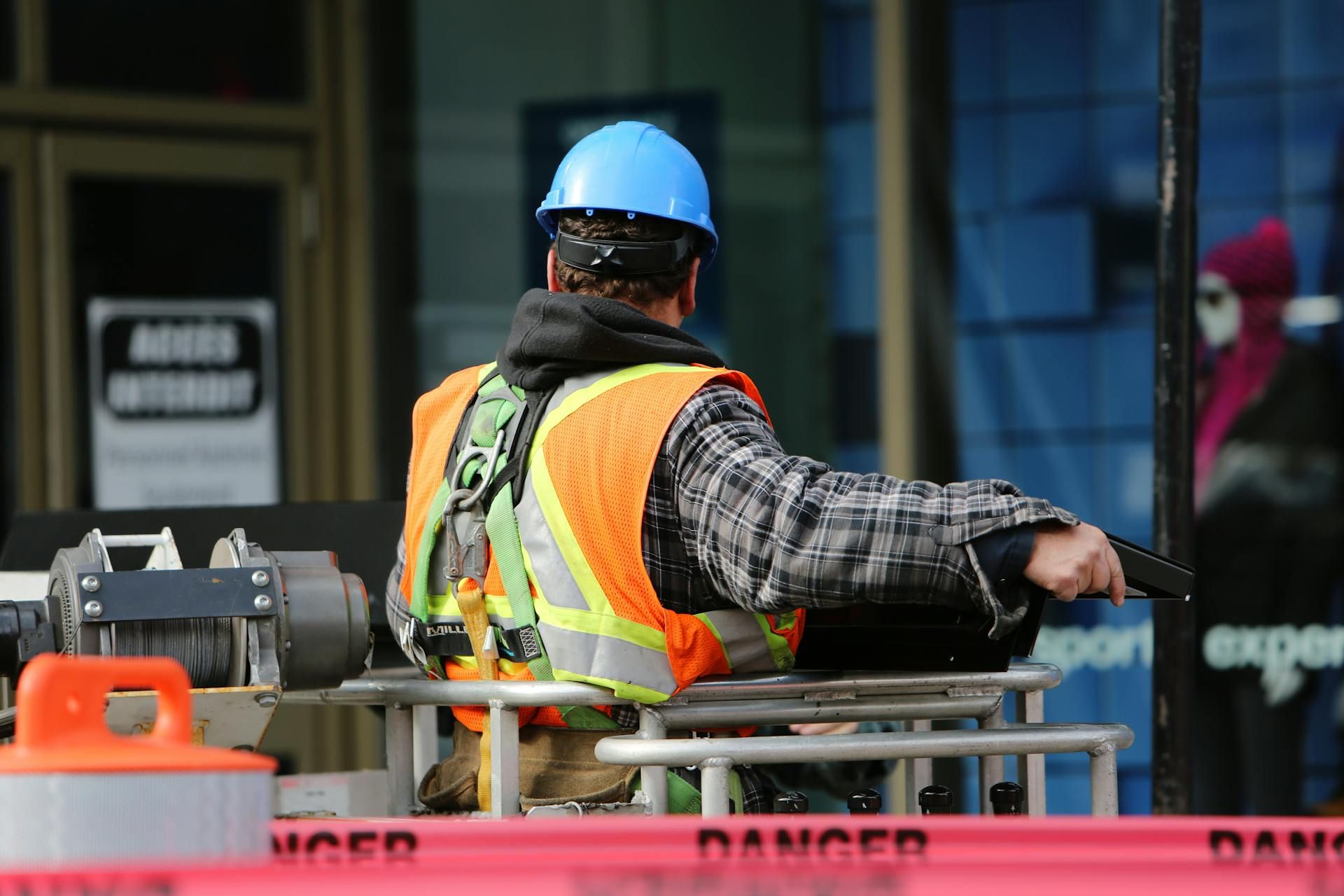
Safety Hazards
These are those aspects or conditions at the workplace that may cause harm to the employees or others. Typical instances consist of:
- Inadequate electrical or mechanical apparatus.
- Unmaintained, disorganized, or slick flooring.
- Inadequate fall protection or unsafe scaffolding.
- Restricted access in buildings in case of an emergency or fire exits.
- Inflexible work schedules force workers to take dangerous shortcuts.
One way to minimize these types of hazards, especially in industrial or manufacturing settings, is through structured shop floor management. When workflows are organized, equipment is monitored, and teams are aligned, potential risks are easier to detect and correct before they lead to serious accidents.
Biological Hazards
Many circumstances can result in employees' exposure to hazardous biological agents. Healthcare and laboratory workers may be exposed to diseases, while food processing workers may be exposed to animal-related products. This affects health since even offices are no longer secure because a lack of proper maintenance leads to mold growth, affecting air quality within the rooms.
Chemical Hazards
Hazchem is widely used in many organizations, including cleaning services and industries. It has risks, including getting burned by chemicals, skin rashes, and even inhaling toxic gases. Employers are expected to prepare and provide SDSs for all the chemicals used in the workplace environment. They should also provide the necessary equipment and protective clothing and ensure adequate ventilation at the workplace.
Physical Hazards
Some risks may be as dangerous or even more dangerous as they are not easily recognizable. Operators in nuclear power plants are at risk of radiation exposure. Factory workers are exposed to high temperatures, and construction workers are exposed to noise. Therefore, users must avoid such dangers by following safe work practices, constant supervision, and wearing protective clothing.
Thus, it is necessary to be informed about the dangers in the working environment in order to work under safer conditions. Other risks with the potential of causing great harm if not properly managed are chemical or equipment risks. The strategies of precautions, risk recognition, and awareness require collective effort between employers and employees. This indicates that one can prevent accidents and ensure everyone is safe in workplaces, provided the hazards are handled from the root and standard operating procedures are followed.


